1. Introduction
Living with type 1 diabetes requires a mindful approach to daily routines, especially when it comes to starting your day. A well-structured morning can set the tone for energy and balance throughout the day, helping to manage blood sugar levels and improve overall well-being. While every individual’s experience with type 1 diabetes is unique, incorporating mindful practices and routines into your mornings can offer a sense of control and peace of mind. This introduction will explore the significance of a thoughtful morning routine and how it might support those navigating the complexities of type 1 diabetes.
For many, the morning is a crucial time to establish stability in blood glucose levels. The choices made early in the day can influence how your body responds to meals, physical activity, and stressors in the hours that follow. Engaging in mindful habits such as checking blood sugar levels, planning a balanced breakfast, and setting aside time for stress-reducing activities like meditation or gentle exercise can play a vital role in managing diabetes. However, it’s important to note that what works best can vary widely from person to person, and speaking with a healthcare professional can provide personalized guidance tailored to your specific needs.
Starting your day with a routine that prioritizes self-care and mindfulness doesn’t just benefit your physical health; it can also support mental and emotional well-being. Living with a chronic condition like type 1 diabetes can be overwhelming at times, and taking proactive steps to foster a positive mindset can make a significant difference. Simple practices such as expressing gratitude, setting daily intentions, or practicing breathing exercises can enhance your mood and help maintain focus and clarity throughout the day.
It’s crucial to listen to your body and be prepared for any unexpected changes in your condition. For instance, recognizing the signs of low blood sugar and knowing how to respond quickly can prevent complications and ensure that you can safely continue with your morning activities. If you experience symptoms of hypoglycemia, it’s essential to address them promptly and seek medical advice if needed. By understanding your body’s signals and preparing for potential challenges, you can navigate your mornings with confidence.
Ultimately, crafting a mindful morning routine when living with type 1 diabetes centers around balance and adaptability. While the journey is often a personal one, embracing a routine that supports both physical health and emotional resilience can be empowering. Remember to consult with your healthcare provider to tailor these practices to suit your individual needs, ensuring that your mornings are both energizing and balanced.
2. Medical Overview
Type 1 diabetes is a chronic condition in which the pancreas produces little or no insulin, a hormone crucial for allowing sugar (glucose) to enter cells to produce energy. Without sufficient insulin, glucose builds up in the bloodstream, leading to high blood sugar levels that can cause various health complications over time. Managing type 1 diabetes effectively requires a careful balance of insulin therapy, regular blood sugar monitoring, and lifestyle adjustments, including diet and exercise.
Living with type 1 diabetes means that starting the day with a mindful routine is essential for maintaining energy and balance. A significant part of this involves checking blood sugar levels upon waking. Morning blood sugar levels can be influenced by several factors, including the “dawn phenomenon,” where hormones like cortisol and glucagon increase blood sugar levels in the early morning hours. Understanding these patterns can help in planning the day’s insulin requirements and meal planning more effectively. It’s important to work with your healthcare provider to determine the best insulin regimen for your needs.
Incorporating a balanced breakfast into your morning routine is another key element. Consuming a meal that includes a mix of carbohydrates, protein, and healthy fats can help stabilize blood sugar and provide sustained energy. However, individual responses to different foods can vary, so keeping a food journal and monitoring blood sugar responses can be helpful tools in identifying what works best for you. It’s advisable to seek guidance from a registered dietitian or a certified diabetes educator to tailor dietary choices to your specific needs.
Physical activity is another vital component of a mindful morning routine. Engaging in light to moderate exercise can help improve insulin sensitivity and aid in blood sugar management. Whether it’s a brisk walk, yoga, or another form of exercise you enjoy, incorporating movement into your morning can set a positive tone for the rest of the day. However, it’s crucial to monitor blood sugar levels before, during, and after exercise to avoid hypoglycemia, especially if insulin doses have been adjusted. If you’re unsure about how to safely incorporate exercise into your routine, consult with your healthcare team to develop a personalized plan.
In summary, while the management of type 1 diabetes is complex and highly individualized, establishing a mindful morning routine that includes blood sugar monitoring, a balanced breakfast, and physical activity can provide a strong foundation for maintaining energy and balance throughout the day. Always consult with your healthcare provider to ensure that your routine aligns with your overall diabetes management plan.
3. Practical Guidance
Creating a mindful morning routine can be a cornerstone for managing type 1 diabetes effectively. Starting your day with intention helps set a balanced tone and can positively influence blood glucose levels. Begin by incorporating a consistent wake-up time to regulate your body’s internal clock. This consistency aids in anticipating your body’s insulin needs and energy requirements. Upon waking, check your blood glucose levels. This immediate feedback allows you to make informed decisions about your morning activities, whether it’s exercising, eating, or adjusting your medication. If your levels are outside your target range, address this first before proceeding with other activities. Always consult with your healthcare provider to establish your personalized morning target range.
Hydration is another key component of a mindful morning. Drinking a glass of water helps kickstart your metabolism and supports overall health. Consider pairing hydration with a moment of mindfulness, such as deep breathing or gentle stretching, to focus your mind and body. Engaging in a short, low-impact exercise routine can also be beneficial, as physical activity may help stabilize blood sugar levels. However, it’s crucial to monitor your blood glucose before, during, and after exercise to ensure safety, especially if you experience symptoms of hypoglycemia. Always have a plan in place for managing low blood sugar, such as carrying glucose tablets or a quick snack.
Breakfast plays an essential role in a mindful morning routine. Opt for a balanced meal that includes carbohydrates, proteins, and healthy fats. This combination can provide lasting energy and may help prevent blood sugar spikes. Remember, the choice of breakfast foods and their portions should align with your diabetes management plan. If you’re uncertain about what constitutes a balanced breakfast for you, discuss your options with a registered dietitian or your healthcare provider. Avoid rushing through your meal; instead, pay attention to your hunger cues and savor each bite. This practice of mindful eating can enhance satisfaction and help you better regulate your food intake.
Finally, take a few minutes to plan your day. Set realistic goals and prioritize tasks that align with your energy levels and health needs. Consider incorporating stress-reducing techniques, such as meditation or journaling, to cultivate a positive mindset. Managing stress is vital as it can impact blood glucose levels. If you’re new to these practices, start small and gradually build them into your routine. Remember, a mindful morning routine is personal and should be tailored to suit your lifestyle and health goals. If you have specific concerns about how to adjust your morning routine for optimal diabetes management, it’s always best to seek personalized advice from your healthcare provider.
4. Practical Tips
Starting your day with a mindful morning routine can set a positive tone and help manage type 1 diabetes more effectively. A well-structured morning can contribute to balanced blood sugar levels and boost your overall energy. Here are some practical tips to consider as you shape your morning routine:
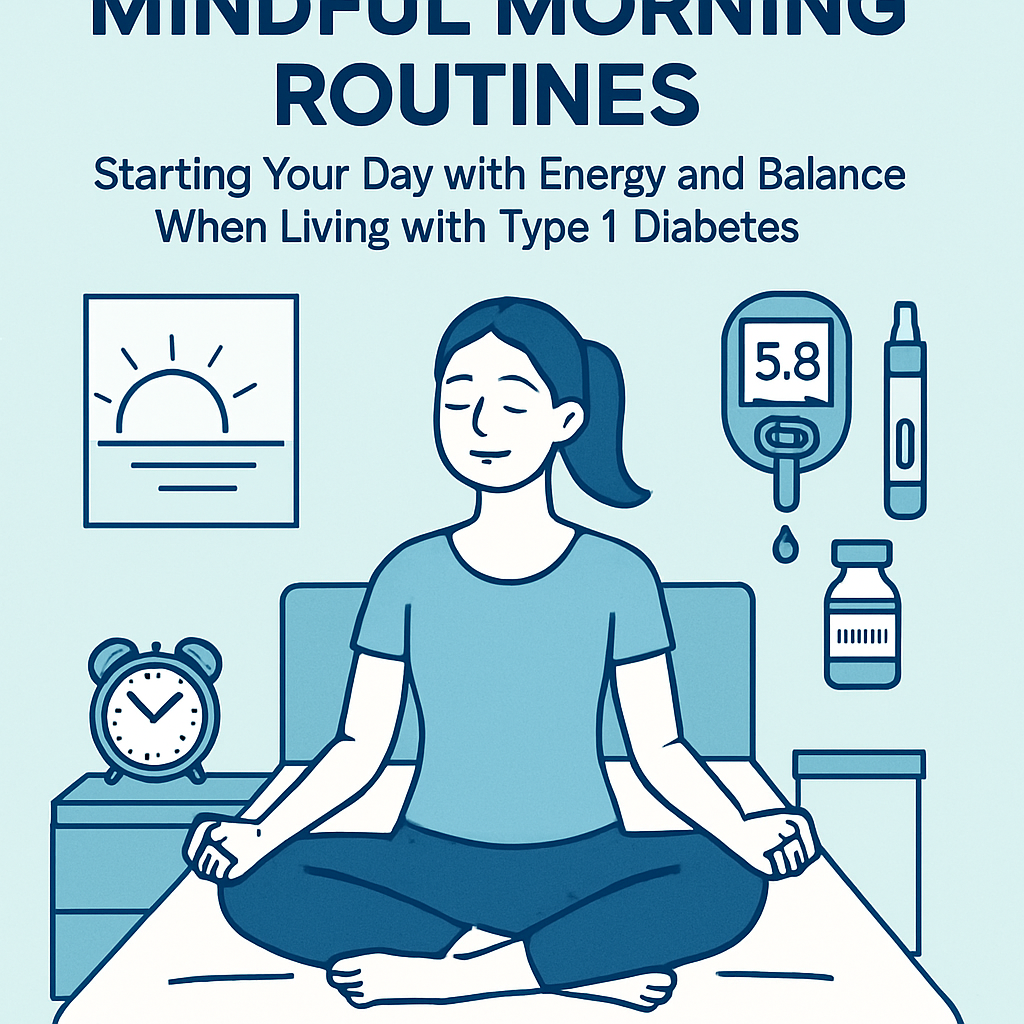
First, begin your day with a gentle wake-up routine. Instead of jumping out of bed, take a few moments to stretch and breathe deeply. This can help reduce stress, which is essential for everyone, but particularly beneficial for those managing type 1 diabetes, as stress can affect blood sugar levels. Consider integrating mindfulness practices such as meditation or deep breathing exercises. These activities may help you start the day feeling calm and centered, potentially aiding in better blood sugar regulation.
Next, plan a balanced breakfast that includes a mix of carbohydrates, protein, and healthy fats. For instance, you might enjoy a bowl of oatmeal topped with nuts and berries, or a slice of whole-grain toast with avocado and a poached egg. These meals provide sustained energy and can help prevent sudden blood sugar spikes. It’s important to monitor your blood sugar levels before and after eating to understand how different foods affect your body. Remember that dietary needs can vary significantly, so consult your healthcare provider or a registered dietitian for personalized advice.
Incorporate physical activity into your morning routine when possible, as exercise can help stabilize blood sugar levels and improve mood. Whether it’s a brisk walk, a short yoga session, or a quick home workout, choose an activity you enjoy that fits into your schedule. Remember to check your blood sugar levels before exercising, as they may drop during physical activity. Ensure you’re prepared by having a quick source of glucose on hand, such as glucose tablets or a small snack, in case you experience symptoms of hypoglycemia. Always prioritize safety and consult your healthcare provider to tailor an exercise regimen that suits your health needs.
Finally, establish a consistent routine for checking your blood sugar levels and administering insulin or other medications as prescribed. Doing this at the same time each morning can help you stay on track and reduce the likelihood of missed doses. Use technology to your advantage; setting alarms or reminders on your phone can be a helpful way to maintain your schedule. If you notice any unusual patterns or have concerns about your management plan, don’t hesitate to reach out to your healthcare provider for guidance.
By incorporating these mindful practices into your morning routine, you may find that you start your day feeling more balanced and energized. As always, remember that individual experiences with type 1 diabetes can vary greatly, so it’s crucial to work closely with your healthcare team to determine what works best for you.
5. Expert Opinions
Expert opinions on managing type 1 diabetes often emphasize the importance of a mindful morning routine as a foundation for maintaining energy levels and achieving balance throughout the day. Clinicians generally recommend starting the day with a structured routine that includes checking blood glucose levels upon waking. This initial step can provide valuable insights into overnight blood sugar trends and help guide decisions about breakfast and insulin dosing. However, it’s crucial to remember that these choices should be tailored to individual needs and should always be discussed with a healthcare provider to ensure they are appropriate for your specific situation.
Incorporating physical activity into your morning routine can also be beneficial, as many experts agree that gentle exercises such as stretching, yoga, or a brief walk can help improve insulin sensitivity and enhance overall well-being. These activities can be a great way to start the day feeling refreshed and energized. However, it’s important to monitor blood glucose levels before, during, and after physical activity to prevent hypoglycemia, a condition where blood sugar levels drop too low. If symptoms of hypoglycemia arise, it’s essential to address them immediately and stabilize blood sugar levels before continuing with any activity.
Nutritionists often suggest that a balanced breakfast can set the stage for stable blood glucose levels throughout the morning. A meal that includes a mix of carbohydrates, protein, and healthy fats can provide sustained energy and help avoid sharp spikes or drops in blood sugar. While some general dietary principles can be helpful, individualizing your breakfast choices based on personal glucose monitoring data and nutritional needs is vital. If you’re unsure about what might work best for you, consulting a dietitian who specializes in diabetes management can be incredibly helpful.
Mindfulness and stress management techniques are also considered valuable components of a morning routine for individuals with type 1 diabetes. Practices such as meditation or deep-breathing exercises can help reduce stress, which in turn may positively influence blood sugar levels. Engaging in these activities regularly can promote a sense of calm and mental clarity as you start your day. Nonetheless, the impact of stress-reduction techniques can vary from person to person, so it’s worthwhile to experiment with different methods and consult with professionals who can provide guidance tailored to your needs.
Ultimately, while expert recommendations offer a solid starting point, the most effective morning routine is one that aligns with your personal lifestyle and diabetes management plan. It’s always advisable to discuss any changes to your routine with your healthcare team to ensure they complement your overall treatment strategy. With thoughtful planning and professional guidance, a mindful morning routine can become an empowering part of living well with type 1 diabetes.
6. Misconceptions
When it comes to type 1 diabetes, misconceptions abound, often complicating the journey toward a balanced and energetic morning routine. One common misunderstanding is that type 1 diabetes is caused by lifestyle choices or poor dietary habits. In reality, type 1 diabetes is an autoimmune condition where the body’s immune system mistakenly attacks insulin-producing cells in the pancreas. This means that factors such as diet and exercise, while important for managing the condition, do not cause type 1 diabetes. Understanding this distinction is crucial in building a compassionate and effective morning routine.
Another misconception is that people living with type 1 diabetes can’t enjoy the same morning activities as those without the condition. This is far from true. With proper planning and awareness, individuals can participate fully in morning exercises, meditation, or any other activity that sets the tone for their day. It’s important to monitor blood glucose levels before and after activities and have a plan in place for managing unexpected changes. Consulting with your healthcare provider can help tailor these activities to fit your specific needs, ensuring safety and enjoyment.
There’s also a belief that carbohydrate counting and insulin management are rigid processes that leave no room for flexibility. While these are integral parts of managing type 1 diabetes, they can be adjusted to accommodate various morning routines. For instance, some people find that checking their blood sugar levels immediately upon waking and planning their breakfast accordingly can set a positive tone for the day. It’s all about finding what works for you, which might require some trial and error, and ongoing conversation with your healthcare team.
Lastly, the notion that people with type 1 diabetes should avoid carbohydrates entirely can lead to unnecessary stress and restriction. While it’s true that managing carbohydrate intake is key, it doesn’t mean eliminating them. A balanced breakfast that includes a moderate amount of carbohydrates, paired with protein and healthy fats, can help maintain steady energy levels throughout the morning. Remember, the goal is to create a sustainable routine that supports your health and well-being, rather than adhering to overly restrictive diets. Always consult your healthcare team to develop a plan that aligns with your individual health goals and lifestyle.
7. Summary
Embarking on each day with a mindful morning routine can be a powerful way to manage type 1 diabetes, helping to set the tone for a day of balanced energy and well-being. While the journey with type 1 diabetes is unique to each individual, incorporating mindfulness and thoughtful practices into your morning routine can provide a sense of control and calm amidst the unpredictability of daily blood sugar fluctuations. This approach is not about perfection but about finding personal strategies that work harmoniously with your lifestyle and health needs.
Starting your day mindfully involves activities that promote both physical and mental well-being. For many, this might begin with a gentle wake-up routine that allows time for stretching or breathing exercises, which can help reduce stress levels and prepare the body for the day ahead. Such practices can play a role in stabilizing blood sugar levels, though individual responses can vary. It’s important to remember that what works for one person may not be equally effective for another, so experimenting with different techniques to find what best supports your needs is key.
Nutrition is another cornerstone of a mindful morning routine. Opting for a balanced breakfast that combines carbohydrates, protein, and healthy fats can help maintain steady blood sugar levels. This balance can provide energy while potentially reducing the risk of morning blood sugar spikes. However, meal planning should be personalized, and it’s advisable to discuss dietary choices with a healthcare provider or a registered dietitian to ensure they align with your specific health goals and medical advice.
Mindfulness also extends to monitoring your blood sugar levels. Starting the day with a clear sense of your current glucose readings can guide your decisions on food, exercise, and insulin management. It’s crucial to approach this with a flexible mindset, as day-to-day variations are normal. If you notice unusual patterns or have concerns, consulting with your healthcare team can provide insights and adjustments tailored to your needs.
Ultimately, the goal of a mindful morning routine is not only to manage diabetes more effectively but also to enhance your overall quality of life. While this approach can offer many benefits, it’s important to remain adaptable and responsive to your body’s signals, making adjustments as needed. As always, any significant changes to your routine should be discussed with your healthcare provider to ensure they are safe and appropriate for your individual health circumstances.