1. Introduction
Puberty can be a challenging time for any teenager, but for those living with type 1 diabetes, it brings an additional set of complexities. As adolescents navigate the whirlwind of physical, emotional, and social changes, managing blood sugar levels effectively becomes an essential yet sometimes daunting task. Understanding how puberty can affect diabetes management is crucial for teens and their families. Hormonal fluctuations during this period can lead to insulin resistance, making blood sugar levels more unpredictable. This unpredictability can add an extra layer of stress, as individuals with type 1 diabetes must continuously monitor their glucose levels and adjust their insulin accordingly. It’s important for families to recognize that these changes are a normal part of puberty and can be managed with the right strategies and support.
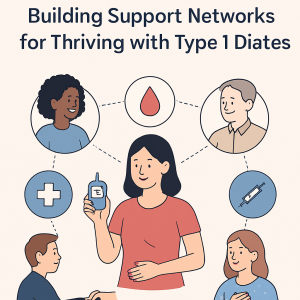
Building a strong support system is vital during this transition. Open communication within the family about the challenges and changes experienced can foster a supportive environment. Teens should feel empowered to express their feelings and concerns about managing diabetes during puberty. Parents can play a crucial role by being patient, offering support, and encouraging their child to take an active role in their diabetes management. This collaboration can help teens feel more confident and less isolated in their journey.
Additionally, collaborating with healthcare professionals is an important step in effectively managing type 1 diabetes during puberty. Regular check-ups and open discussions with a healthcare team can provide valuable insights into how hormonal changes might affect insulin needs and overall health. Healthcare providers can offer personalized advice and adjustments to diabetes management plans tailored to the teen’s unique needs. It’s always advisable to consult a healthcare professional for guidance specific to one’s individual situation.
Puberty doesn’t just bring physical changes; it also introduces new social dynamics and pressures. Teens may feel self-conscious about managing diabetes in front of peers, leading to potential neglect of their health needs during social activities. Encouraging teens to educate their friends about diabetes can foster understanding and reduce stigma. It’s important for teens to know that they are not alone in this experience and that reaching out for support is a strength, not a weakness.
While navigating puberty with type 1 diabetes can be challenging, it is also an opportunity for growth and independence. With the right support and strategies, teens can learn to manage their condition effectively, building resilience and confidence that will serve them well into adulthood. Families and healthcare professionals working together can make this journey a positive and empowering experience.
2. Medical Overview
Puberty is a transformative period marked by rapid physical, emotional, and hormonal changes. For teens managing type 1 diabetes, these changes can introduce additional complexities. Type 1 diabetes is an autoimmune condition where the body’s immune system attacks and destroys insulin-producing beta cells in the pancreas. Without sufficient insulin, blood glucose levels can rise, leading to various short- and long-term health challenges. During puberty, hormones such as growth hormone and estrogen increase, potentially leading to insulin resistance. This means the body’s cells may not respond to insulin as effectively, which can complicate blood glucose management.
As teens go through puberty, they may notice fluctuations in their blood sugar levels. This is a normal part of the process, but it can be challenging to manage. Growth spurts, changes in appetite, and increased physical activity levels can all affect insulin requirements. Additionally, emotional stress and erratic sleep patterns, common during teenage years, can further influence blood glucose levels. Therefore, it is essential for teens and their families to remain vigilant about monitoring and adjusting their diabetes management plan.
Regular blood glucose monitoring becomes even more crucial during these years. By keeping track of blood sugar levels, teens and their caregivers can identify patterns and make informed decisions about diet, exercise, and insulin administration. However, managing diabetes during puberty is not a one-size-fits-all process. It often requires a tailored approach that considers the unique needs and lifestyle of the teen. Consulting with a healthcare provider can help in creating a personalized diabetes management plan that adapts to these changes.
Open communication between teens, their families, and healthcare providers is vital. Regular check-ins with an endocrinologist or diabetes care team can help address any concerns and adjust treatment plans as needed. This collaborative approach can empower teens to take an active role in managing their diabetes, fostering independence and confidence. Families are encouraged to support their teens by providing a balanced diet, encouraging regular physical activity, and ensuring access to necessary diabetes supplies.
It’s important to remember that each teen’s experience with puberty and type 1 diabetes is unique. What works for one person may not work for another. Therefore, maintaining a flexible approach and being open to adjustments can significantly enhance diabetes management during this critical period. Ultimately, by staying informed and working closely with healthcare professionals, teens and their families can navigate the challenges of puberty with greater ease and success.
3. Practical Guidance
Puberty is a time of significant change, and for teenagers with type 1 diabetes, these changes can present unique challenges. Managing blood sugar levels becomes more complex due to hormonal fluctuations that can affect insulin sensitivity. However, there are practical steps that teens and their families can take to navigate this period successfully. Monitoring blood glucose levels frequently is essential, as this helps in understanding patterns and making informed decisions about insulin management. Keeping a detailed log of blood sugar readings, meals, physical activity, and other factors can provide valuable insights into how puberty is affecting diabetes control.
Another important aspect is open communication with healthcare providers. Regular check-ins with your diabetes care team can help in adjusting insulin regimens as needed. They can also offer personalized advice and answer any questions about managing diabetes during puberty. It’s important for teens to feel empowered to speak up about their experiences and concerns. Encouraging teens to take an active role in their diabetes management can foster independence and confidence, which are crucial as they transition toward adulthood.
Nutrition plays a crucial role in managing type 1 diabetes during puberty. Balanced meals that incorporate a variety of nutrients can stabilize blood sugar levels and support overall health. It’s important to include sources of complex carbohydrates, lean proteins, and healthy fats, while also being mindful of portion sizes and the timing of meals. This can be further enhanced by collaboration with a registered dietitian who can tailor dietary plans to meet the unique needs of growing teenagers.
Physical activity is also beneficial, as it can improve insulin sensitivity and contribute to overall well-being. Encouraging teens to engage in regular physical activities they enjoy—such as sports, dancing, or even walking—can make exercise a positive part of their routine. However, it’s essential to monitor blood glucose levels before, during, and after activities to prevent hypoglycemia. If low blood sugar occurs, it’s crucial to address it immediately and ensure levels have stabilized before continuing with the activity.
Finally, emotional support from family and peers is vital. Puberty is a challenging time for any teenager, and having a support system can make a significant difference. Families can foster a supportive environment by being understanding and patient, while also encouraging teens to connect with peers who are also managing type 1 diabetes. Support groups, whether in person or online, can provide a sense of community and shared experience.
While managing type 1 diabetes during puberty can be demanding, these practical tips can help teens and their families navigate this transitional period. For personalized guidance, it’s important to consult with healthcare providers who can offer advice tailored to individual needs. By combining medical guidance with supportive family dynamics and healthy lifestyle choices, teens can successfully manage their diabetes during puberty.
4. Practical Tips
Puberty can be a challenging time for any teenager, and for those managing type 1 diabetes, it presents unique hurdles. However, with a few practical strategies, teens and their families can navigate this period more smoothly. One significant aspect of managing type 1 diabetes during puberty is maintaining a consistent routine. Hormonal changes can affect blood sugar levels unpredictably, so sticking to regular meal times and monitoring glucose levels consistently can help in managing these fluctuations. For instance, keeping a detailed log of blood sugar readings, meals, and physical activity can offer insights into patterns and help in adjusting care plans as needed.
Another practical tip is to foster open communication within the family. Adolescents may feel overwhelmed by the increased responsibility of managing their condition as they gain independence. Encouraging regular family discussions about diabetes management can help teens feel supported and understood. For example, setting aside time each week to talk about any challenges they’re facing or adjustments that might be needed can be beneficial. This open dialogue can also include their healthcare team, ensuring that everyone is on the same page regarding any treatment changes or concerns.
In addition, engaging in physical activities can be a powerful tool for managing blood glucose levels during puberty. Exercise not only helps in maintaining a healthy weight but also aids in insulin sensitivity, which can be particularly helpful as the body’s insulin requirements change. Teens can explore various activities to find what they enjoy, whether it’s joining a sports team, taking up dance classes, or simply going for regular walks. However, it’s crucial to monitor blood sugar levels closely before and after physical activities and have a plan in place for managing hypoglycemia. Teens should be encouraged to consult with their healthcare provider to tailor an exercise regimen that suits their individual needs safely.
Ultimately, managing type 1 diabetes during puberty requires a collaborative effort. Encouraging teens to take an active role in their own care, while ensuring they have the support they need from family and healthcare professionals, can make a significant difference. By implementing these practical tips, families can work together to ease the transition through this developmental stage, bearing in mind that individual responses to these strategies may vary, and any adjustments should be discussed with their healthcare provider.
5. Expert Opinions
Managing type 1 diabetes during puberty presents unique challenges, but expert guidance can provide a pathway to smoother transitions. Healthcare professionals emphasize the importance of maintaining open communication between teens, parents, and healthcare providers. This communication is crucial for adapting diabetes management plans to the rapidly changing physical and emotional landscape of adolescence. Clinicians generally recommend that families work closely with their diabetes care team to adjust insulin regimens and monitor blood glucose levels more frequently. This is because hormonal changes during puberty can significantly impact insulin sensitivity, potentially leading to unexpected blood sugar fluctuations.
Experts often highlight the necessity of fostering independence in teens while ensuring they are supported and educated about their condition. Encouraging young people to take an active role in their diabetes management can boost their confidence and help them develop lifelong skills for maintaining their health. However, this process should be gradual and guided. Professionals typically suggest that parents and caregivers provide supervision and assistance as needed, while also allowing teens to make some decisions under supervision. This balance helps teens learn from experience without compromising their safety.
Another aspect that healthcare professionals focus on is the emotional well-being of teens with type 1 diabetes. Puberty is a time of significant emotional change, and navigating diabetes can add another layer of complexity. Experts advise that emotional support should be a key component of diabetes management during this stage. This support can come from family, friends, or mental health professionals who understand the unique challenges faced by teens with diabetes. Encouraging participation in support groups or diabetes camps can also be beneficial, as these settings provide opportunities for teens to connect with peers who are experiencing similar challenges.
Healthcare professionals underscore the importance of regular check-ups and open dialogue with a diabetes care team. These appointments are opportunities to assess how well the current management plan is working and to make any necessary adjustments. As each teen’s experience with diabetes and puberty is unique, personalized care plans are crucial. While this section offers general insights, it is essential for families to consult their healthcare providers to develop a tailored approach that addresses the specific needs of the teen. Experts agree that with the right support and resources, teens can navigate the challenges of puberty with type 1 diabetes effectively.
6. Misconceptions
Puberty is a challenging time for any teenager, but for those managing type 1 diabetes, it can bring additional hurdles. One of the most common misconceptions about type 1 diabetes during puberty is that it can be managed by simply avoiding sugar. This oversimplification overlooks the complexity of diabetes management, which involves balancing insulin therapy, monitoring blood glucose levels, and maintaining a healthy lifestyle. It’s essential for teens and their families to understand that while reducing excessive sugar intake is part of a healthy diet, managing diabetes effectively involves a comprehensive approach that includes various dietary considerations and regular medical consultations.
Another prevalent misconception is that all teens with type 1 diabetes will experience severe health issues during puberty. While hormonal changes can indeed affect blood sugar levels, leading to increased variability and potential challenges, not every teen will experience the same degree of difficulty. The impact of puberty on diabetes management can vary greatly from one individual to another. It’s important for families to be aware that with careful monitoring and a supportive healthcare team, many teens navigate puberty with minimal complications. Open communication with healthcare providers can help tailor diabetes management plans to better suit individual needs during this time.
There is also a misunderstanding that physical activity should be restricted for teens with type 1 diabetes due to concerns about blood sugar fluctuations. In reality, regular physical activity is beneficial for overall health and can help in managing diabetes. However, it is crucial to be mindful of how exercise affects blood sugar levels and to make necessary adjustments, such as monitoring levels before, during, and after physical activity, and having a plan in place for treating low blood sugar if it occurs. Encouraging teens to engage in sports or other activities they enjoy, with appropriate guidance, can promote both physical and mental well-being.
Finally, a misconception that families may encounter is the belief that once a teen learns to manage their diabetes, parental involvement is no longer necessary. While fostering independence is important as teens grow older, parental support remains crucial. The emotional and practical challenges of managing diabetes can be overwhelming, and a strong support system helps teens develop confidence in their self-management skills. Families should aim for a balanced approach, encouraging teens to take on more responsibility while remaining available for guidance and support.
Addressing these misconceptions is a vital part of supporting teens with type 1 diabetes through puberty. By fostering an environment of understanding and open dialogue, families can help their teens navigate this transitional phase more effectively. As each individual’s experience with diabetes is unique, consulting with healthcare providers is invaluable for tailored advice and support throughout this journey.
7. Summary
Puberty is a challenging time for any teenager, but for those living with type 1 diabetes, it can present unique hurdles. This developmental stage brings about numerous physical and emotional changes that can impact diabetes management. Hormonal fluctuations can lead to unpredictable blood sugar levels, and the desire for increased independence might sometimes clash with the need for careful self-management. Understanding these challenges and addressing them proactively can help teens and their families navigate this transitional phase more smoothly.
One of the primary concerns during puberty is the effect of hormones on blood glucose control. Hormonal changes can cause insulin resistance, making it more difficult to maintain stable blood sugar levels. This might lead to more frequent episodes of hyperglycemia or hypoglycemia, both of which require careful monitoring and appropriate responses. Teens and their families should work closely with their healthcare team to adjust insulin dosages and develop strategies tailored to individual needs. Regular check-ins with a healthcare provider can ensure that any adjustments in treatment are safe and effective.
In addition to physical changes, the emotional and social aspects of puberty can also affect diabetes management. Teens may experience heightened emotions, peer pressure, and the desire to fit in, which can sometimes result in neglecting diabetes care. Encouraging open communication within the family and fostering a supportive environment can help adolescents feel more comfortable discussing their challenges and seeking help when needed. Educating friends and peers about diabetes can also create a more understanding and supportive social circle.
Maintaining a balanced lifestyle is crucial during this time. Encouraging healthy eating habits, regular physical activity, and adequate sleep can all contribute to better blood sugar control and overall wellbeing. Involving teens in meal planning and encouraging participation in sports or other physical activities can empower them to take an active role in their diabetes management. However, it’s important for teens to be aware of how exercise can affect blood sugar levels and to take necessary precautions, such as checking blood sugar before and after physical activity and carrying fast-acting carbohydrates to treat potential lows.
Ultimately, navigating puberty with type 1 diabetes requires a collaborative approach. Teens should be encouraged to take responsibility for their own care while knowing they have a strong support system in place. Families, healthcare providers, and educators can all play a role in helping adolescents manage their condition effectively. If any concerns or difficulties arise, consulting with a healthcare professional is always recommended to ensure that care remains appropriate and effective. By staying informed and engaged, teens with type 1 diabetes can successfully manage their condition during this transformative time of life.