1. Introduction
Type 1 diabetes, a chronic condition characterized by the body’s inability to produce insulin, often presents challenges that require careful management. Yet, rather than being defined by these challenges, many individuals with type 1 diabetes are breaking barriers and redefining what it means to live with this condition. Among them are athletes who are not only managing their health but also excelling in sports, shattering stereotypes, and inspiring others along the way. These athletes illustrate that, with the right approach and mindset, the presence of diabetes does not have to preclude anyone from achieving their dreams.
In the realm of sports, where physical endurance and peak performance are crucial, athletes with type 1 diabetes face unique hurdles. They must be vigilant about their blood glucose levels and balance them with the physical demands of their training and competitions. Despite these additional layers of complexity, many have found ways to excel, using their condition as a source of motivation rather than a limitation. Through technology, strategic planning, and support systems, they demonstrate that it’s possible to manage diabetes effectively while pursuing athletic excellence.
The stories of these athletes are not just about personal triumph but also about wider community impact. By pushing boundaries, they challenge common misconceptions about diabetes and show others living with the condition that it is possible to lead an active and fulfilling life. Their successes serve as powerful reminders that with dedication, support, and proper management, living with type 1 diabetes can be compatible with pursuing even the most demanding of goals.
Importantly, every individual with type 1 diabetes must work closely with healthcare providers to tailor a management plan that fits their lifestyle, especially when engaging in high levels of physical activity. What works for one person may not be suitable for another, underscoring the need for personalized medical advice. By consulting with healthcare professionals, individuals can ensure they are taking the necessary precautions to safely engage in sports and other activities.
As we delve into the stories of these remarkable athletes, the aim is to celebrate their achievements and inspire readers, whether they have type 1 diabetes or not, to pursue their passions and break through perceived limitations. The journey of these athletes reminds us all of the power of perseverance, adaptability, and the human spirit in overcoming life’s challenges.
2. Medical Overview
Type 1 diabetes is a chronic condition characterized by the body’s inability to produce insulin, a hormone essential for converting glucose into energy. This autoimmune disease occurs when the immune system mistakenly attacks and destroys insulin-producing beta cells in the pancreas. As a result, individuals with type 1 diabetes require lifelong insulin therapy to manage their blood sugar levels. It’s important to understand that while lifestyle factors like diet and exercise can influence blood sugar management, type 1 diabetes is not caused by lifestyle choices and currently has no cure.
Managing type 1 diabetes involves a delicate balance of insulin administration, carbohydrate counting, regular physical activity, and continuous monitoring of blood glucose levels. Athletes with type 1 diabetes face unique challenges in maintaining this balance, especially when participating in high-intensity sports or competitions. Exercise can significantly impact blood sugar levels, often lowering them, which can increase the risk of hypoglycemia. To safely engage in sports, athletes with type 1 diabetes need to carefully plan their insulin doses, nutrition, and exercise regimens. This often involves working closely with healthcare providers to tailor strategies that suit their individual needs.
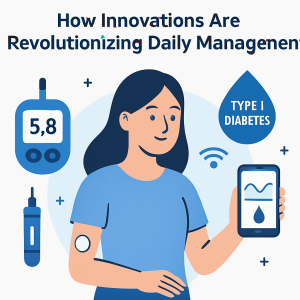
Advancements in diabetes management technology, such as continuous glucose monitors (CGMs) and insulin pumps, have greatly improved the ability of athletes with type 1 diabetes to monitor and control their condition. These tools can provide real-time glucose readings and allow for more precise insulin delivery, helping athletes maintain optimal performance levels while reducing the risk of hypoglycemic episodes. Nevertheless, it’s crucial for individuals to consult with their healthcare team to determine the best approach for incorporating these technologies into their routines.
Participating in sports not only enhances physical fitness but also boosts mental well-being, confidence, and resilience. Athletes with type 1 diabetes who successfully navigate their condition often serve as powerful role models, demonstrating that diabetes does not have to limit one’s aspirations or achievements. While their journeys are inspirational, it’s important to acknowledge that each individual’s experience with type 1 diabetes is unique. What works well for one person may not be suitable for another, underscoring the importance of personalized medical guidance.
For those living with type 1 diabetes, it’s essential to maintain open communication with healthcare providers, especially when engaging in new or intense athletic endeavors. Regular check-ups and adjustments to treatment plans are vital to ensure safety and optimal health outcomes. By breaking barriers and redefining limits, athletes with type 1 diabetes continue to inspire others and pave the way for future generations to pursue their dreams with confidence and determination.
3. Practical Guidance
For athletes living with type 1 diabetes, breaking barriers often involves a blend of careful planning, monitoring, and adaptability. While the challenges are undeniable, many individuals find that with the right strategies, participating in sports and physical activities can be both fulfilling and manageable. One of the cornerstones of this approach is consistent blood sugar monitoring. Understanding how your body reacts to different types of exercise is crucial, as physical activity can significantly impact blood glucose levels. Monitoring before, during, and after exercise can help you make informed decisions about managing your diabetes effectively.
Nutrition plays a vital role in supporting an active lifestyle, particularly for those managing type 1 diabetes. Balancing carbohydrate intake with insulin doses is a nuanced process that may require adjustments based on your activity level and type of sport. Some athletes find it helpful to consume a balanced meal with complex carbohydrates, proteins, and healthy fats a few hours before exercising. Quick-acting carbohydrates, like glucose tablets or sports drinks, can be useful to have on hand during workouts to address any sudden drops in blood sugar. It’s always wise to work with a healthcare provider or a dietitian to tailor a nutrition plan that suits your personal needs and athletic goals.
Staying hydrated is another key element, as dehydration can affect blood sugar levels and athletic performance. Be mindful of your fluid intake before, during, and after exercise, particularly in hot or humid conditions. Moreover, wearing medical identification, such as a bracelet or necklace, can be a vital precaution, ensuring that first responders are aware of your condition should an emergency arise.
Flexibility and adaptability are essential traits. It’s important to listen to your body and be prepared to modify your exercise routine if needed. Should you experience symptoms of hypoglycemia—such as shakiness, confusion, or dizziness—it’s critical to stop and treat your low blood sugar immediately before resuming any activity. Always have a plan in place for unexpected situations, and don’t hesitate to reach out to your healthcare team if you have concerns about specific activities or how best to manage your condition during sports.
Finally, building a support network can make a significant difference. Connecting with other athletes managing type 1 diabetes can offer encouragement and practical advice. Coaches, family members, and teammates can also be valuable allies, providing support and understanding as you navigate the complexities of living with diabetes while pursuing your athletic passions. As always, consult your doctor for personalized advice and strategies that align with your unique health profile and athletic ambitions.
4. Practical Tips
Living with type 1 diabetes presents unique challenges, but athletes with this condition are consistently showing that it is possible to break barriers and achieve remarkable feats. By employing practical strategies, these athletes not only manage their diabetes effectively but also inspire others to pursue their athletic dreams. Here are some practical tips that have been embraced by athletes living with type 1 diabetes, which may be useful for those looking to excel in their own physical endeavors.
One of the key strategies is meticulous planning. Take the example of professional triathlete Kyle Cochran, who has type 1 diabetes. He emphasizes the importance of detailed planning before any competition. This includes monitoring blood sugar levels closely and adjusting insulin and food intake in response to exercise demands. Athletes often work with healthcare professionals to develop a personalized plan that considers their specific needs and goals. It’s crucial to explore these strategies with your healthcare team to ensure they fit your individual circumstances.
Another practical tip is the strategic use of technology. Advances in diabetes technology, such as continuous glucose monitors (CGMs) and insulin pumps, have been game-changers for many athletes. For instance, Olympic snowboarder Sean Busby uses a CGM to keep a real-time eye on his glucose levels during training and competitions. This allows for timely adjustments to be made, reducing the risk of hypoglycemia or hyperglycemia during crucial moments. However, technology is only effective when used as part of a comprehensive management plan, so discussing the best options with a healthcare provider is recommended.
Nutrition also plays a pivotal role in managing type 1 diabetes for athletes. Take track and field athlete Lauren Adams, who underscores the importance of maintaining a balanced diet to support her training regime. This includes consuming the right mix of carbohydrates, proteins, and fats tailored to her energy needs and blood sugar management. For athletes with diabetes, working with a dietitian can help craft a nutrition plan that aligns with their athletic and health goals. Again, individual needs will vary, so personal consultation is key.
Finally, athletes with type 1 diabetes stress the importance of staying flexible and prepared for unexpected changes. Carrying glucose tablets or snacks to quickly address low blood sugar levels is a common practice. It’s also essential to have a clear plan in place for dealing with unexpected highs or lows, ensuring safety always comes first. If symptoms of low blood sugar occur, treating these symptoms and confirming recovery is essential before continuing with any physical activity.
These practical tips highlight how athletes with type 1 diabetes are not only managing their condition but excelling in their chosen sports. By learning from their strategies and working closely with healthcare professionals, individuals with diabetes can pursue their athletic passions while maintaining their health and safety.
5. Expert Opinions
In the world of athletics, the journey of athletes with Type 1 diabetes is often met with unique challenges and triumphs. Experts in the field, including endocrinologists and diabetes educators, generally emphasize the importance of individualized management plans for these athletes. These plans typically incorporate careful monitoring of blood glucose levels, nutritional strategies tailored to the demands of different sports, and adjustments to insulin therapy as needed. While general guidelines exist, such as maintaining stable blood sugar levels during training and competition, the specifics can vary widely depending on the athlete’s body, the sport they are involved in, and their individual response to exercise.
Healthcare professionals frequently advise athletes to engage in regular discussions with their diabetes care team to optimize their management strategies. This collaborative approach ensures that athletes are equipped to manage their condition effectively while minimizing the risk of adverse events, such as hypoglycemia. It’s often recommended that athletes develop a deep understanding of how their body reacts to different types and intensities of exercise, which can help in anticipating potential blood sugar fluctuations and making informed decisions. For instance, some athletes might find that certain high-intensity activities cause their blood sugar to drop quickly, necessitating proactive adjustments to their regimen.
Furthermore, sports dietitians often play a crucial role in guiding athletes with Type 1 diabetes, helping them to balance carbohydrate intake with insulin levels to maintain energy and performance. Carbohydrates, essential for fuel, must be carefully managed, and strategies may include consuming snacks before, during, and after exercise to stabilize blood sugar levels. These professionals generally encourage a balanced approach, emphasizing the importance of consistent monitoring and flexibility in dietary choices to meet the body’s changing needs during different phases of training and competition.
While there are inherent challenges, experts also highlight the psychological and physical benefits of sports participation for individuals with Type 1 diabetes. Engaging in sports can improve cardiovascular health, enhance mood, and foster a sense of empowerment and resilience. Clinicians often stress, however, that safety should be the top priority. Athletes are encouraged to listen to their bodies, recognize symptoms of low or high blood sugar, and have a clear action plan in place for managing these situations. Consulting with healthcare providers can help athletes tailor their approach, ensuring they can compete safely and effectively.
Ultimately, the collective wisdom of healthcare professionals, alongside the personal insights gained by athletes through experience, continues to push the boundaries of what is possible. As these athletes share their stories and successes, they not only inspire others with Type 1 diabetes but also contribute to a growing understanding of how to safely and effectively integrate sports into life with diabetes. Those considering similar pursuits should seek personalized advice from their healthcare team to navigate their own journeys with confidence and care.
6. Misconceptions
Misconceptions about type 1 diabetes often overshadow the incredible achievements of athletes managing this condition. One common myth is that individuals with type 1 diabetes cannot participate in high-intensity sports or lead active lifestyles. This misconception likely stems from a misunderstanding of the condition and its management. In reality, many athletes with type 1 diabetes have excelled in sports at all levels, from amateur leagues to the Olympics, demonstrating that with proper management, they can perform at the top of their game.
Another frequent misunderstanding is the belief that type 1 diabetes is caused by poor diet or lifestyle choices. Unlike type 2 diabetes, which can be influenced by lifestyle factors, type 1 diabetes is an autoimmune condition where the body’s immune system mistakenly attacks insulin-producing cells in the pancreas. This distinction is crucial for understanding the unique challenges faced by those with type 1 diabetes, including athletes who must balance their blood sugar levels while training and competing.
There’s also a misconception that people with type 1 diabetes can’t manage their condition effectively in dynamic and unpredictable environments like sports competitions. In truth, these athletes often develop a heightened sense of awareness and adaptability. They work closely with healthcare professionals to tailor their insulin regimens and monitor their blood glucose levels, ensuring they can compete safely. It’s important to remember that each person’s experience with type 1 diabetes is unique, and strategies that work for one athlete might not be suitable for another. Consulting with healthcare providers is essential for developing a personalized plan that accommodates both athletic goals and health needs.
Lastly, some may believe that experiencing low blood sugar, or hypoglycemia, during sports is inevitable and unmanageable. While hypoglycemia is a risk, especially during prolonged or intense activity, athletes with type 1 diabetes are taught to recognize early symptoms and take appropriate steps to stabilize their blood sugar levels. It is vital, however, that they treat low blood sugar promptly and verify their recovery before resuming any activity. This proactive approach helps minimize risks and allows these athletes to continue pursuing their passions.
Addressing these misconceptions not only helps in understanding the condition better but also highlights the resilience and determination of athletes with type 1 diabetes. Their stories are powerful reminders that with the right knowledge, support, and preparation, they can indeed redefine limits and inspire others to follow in their footsteps. As always, individuals with diabetes should work closely with their healthcare team to tailor their management strategies to their personal and athletic needs.
7. Summary
In the world of sports, athletes with type 1 diabetes are breaking barriers and redefining what it means to be limitless. Despite the challenges that come with managing their condition, these athletes are proving that diabetes does not have to be an obstacle to reaching the highest levels of performance. From endurance sports like marathon running and cycling to team sports such as basketball and soccer, individuals are showing that with the right preparation and mindset, they can compete alongside those without diabetes. This journey, though inspiring, requires diligent management of blood glucose levels, careful planning, and a deep understanding of their own bodies. Athletes must regularly monitor their blood sugar and make real-time adjustments to insulin and nutrition to maintain optimal performance. This makes their achievements not only a testament to their physical capabilities but also to their strategic and mental acumen.
Type 1 diabetes athletes often become role models, inspiring others with the condition to pursue their passions without hesitation. Their stories are powerful reminders that while diabetes management is crucial, it doesn’t have to dictate the terms of one’s life. Organizations and support networks play a vital role in these athletes’ journeys, offering guidance and community. For young people newly diagnosed with type 1 diabetes, seeing someone like them achieving their dreams can provide hope and motivation. It highlights the importance of education, self-advocacy, and the need for personalized medical advice, which can help tailor strategies that work best for them. It’s crucial for anyone with diabetes to consult their healthcare team to ensure that their action plans are safe and effective, particularly when engaging in rigorous physical activities.
The broader impact of these athletes extends beyond personal achievements. By publicly sharing their experiences, they contribute to raising awareness and reducing stigma around diabetes. They help shift public perception, emphasizing that while diabetes management involves challenges, it also involves possibilities. These athletes are not just competing; they are challenging societal perceptions and inspiring change. As they continue to push boundaries, they encourage broader conversations about inclusivity and understanding in sports and other domains of life. Their incredible journeys are a testament to resilience and determination, serving as a beacon of inspiration for all, whether they are living with diabetes or not.