1. Introduction
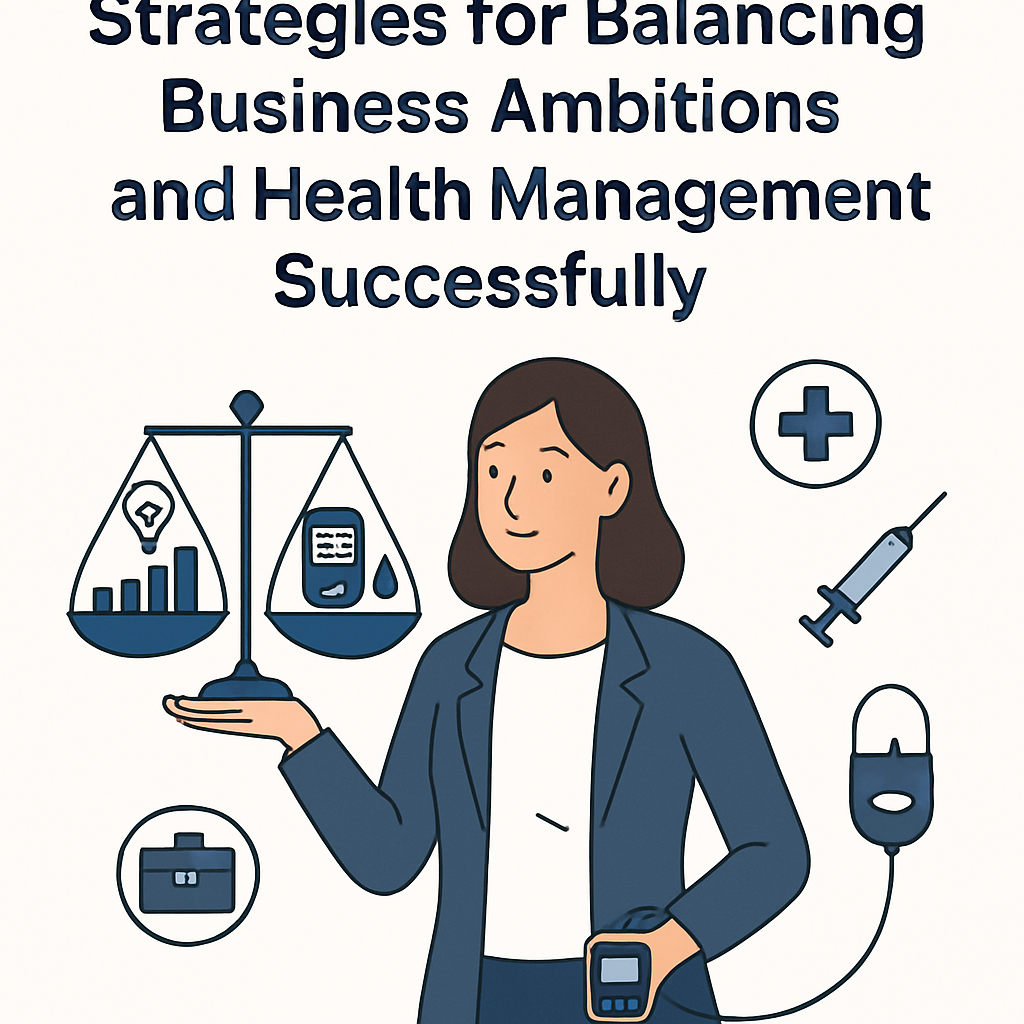
The journey of entrepreneurship is often described as a thrilling adventure filled with challenges and triumphs. For individuals living with type 1 diabetes, this journey requires an additional layer of planning and mindfulness. Balancing the demands of running a business with the needs of managing a chronic condition like type 1 diabetes can be complex, yet many entrepreneurs successfully navigate this path with resilience and creativity. Understanding how to harmonize these dual responsibilities is key, and involves integrating effective health management strategies into the entrepreneurial pursuit.
Type 1 diabetes is an autoimmune condition where the body’s immune system attacks insulin-producing cells in the pancreas. This lifelong disease requires continuous monitoring of blood glucose levels, administering insulin, and making informed lifestyle choices to maintain health and prevent complications. For entrepreneurs, whose workdays can be unpredictable and demanding, maintaining this delicate balance is crucial to both personal well-being and professional success.
One of the primary challenges for entrepreneurs with type 1 diabetes is managing the physical demands of their business while keeping a close eye on their health. This involves planning ahead and being prepared for unexpected changes in routine. For instance, long meetings or travel can disrupt regular meal times and insulin schedules, requiring advance preparation and flexibility. It’s essential for entrepreneurs to develop a strategy that allows for the seamless integration of diabetes management into their daily business activities, ensuring that neither is compromised.
Moreover, managing stress is particularly important, as stress can impact blood glucose levels. Entrepreneurs often experience high-stress situations, whether due to financial pressures, critical business decisions, or the fast-paced nature of start-up life. Developing effective stress management techniques, such as mindfulness practices, regular physical activity, or seeking support from peers and mentors, can be beneficial. Each individual’s response to stress is unique, so exploring different strategies with a healthcare provider can help tailor an approach that suits personal needs and lifestyle.
The dynamic nature of entrepreneurship also offers advantages for those with type 1 diabetes. Being your own boss allows for greater control over your schedule, enabling you to prioritize health needs alongside business priorities. This flexibility can be harnessed to create a work environment that supports both health and entrepreneurship goals. However, it is vital to remain vigilant and proactive about health management, and to consult healthcare professionals regularly to ensure that any adjustments to routines or treatments are safe and effective.
In conclusion, while the path of entrepreneurship with type 1 diabetes presents unique challenges, it also offers opportunities for innovation and personal growth. By integrating thoughtful health management strategies into their business plans, entrepreneurs with type 1 diabetes can achieve their ambitions while maintaining their health. As always, collaborating with healthcare providers to tailor these strategies to individual needs is key to ensuring both business success and well-being.
2. Medical Overview
Type 1 diabetes is a chronic condition characterized by the body’s inability to produce insulin, a hormone crucial for converting glucose into energy. Unlike type 2 diabetes, type 1 is an autoimmune disease where the immune system mistakenly attacks and destroys insulin-producing beta cells in the pancreas. This condition typically manifests in childhood or early adulthood, but it can develop at any age. Managing type 1 diabetes requires a comprehensive approach that includes regular monitoring of blood sugar levels, insulin therapy, and lifestyle adjustments to maintain optimal health and prevent complications.
The cornerstone of type 1 diabetes management is insulin therapy, which can be administered through injections or an insulin pump. The goal of insulin therapy is to mimic the body’s natural insulin production, keeping blood glucose levels within a target range. However, achieving this balance can be challenging due to various factors influencing blood sugar levels, including diet, physical activity, stress, and illness. As each individual’s response to these factors can vary, diabetes management plans are highly personalized. It’s crucial for individuals with type 1 diabetes to work closely with their healthcare team to tailor a plan that suits their specific needs and lifestyle.
For entrepreneurs with type 1 diabetes, balancing the demands of managing their health while pursuing business ambitions can be particularly challenging. Stress, irregular schedules, and frequent travel, often associated with entrepreneurship, can affect blood sugar control. Entrepreneurs must prioritize their health by incorporating diabetes management into their daily routines. Regular monitoring of blood glucose levels is essential, and using technology such as continuous glucose monitors (CGMs) can provide real-time data and insights that help in making informed decisions. Furthermore, maintaining open communication with healthcare providers about any changes in routine or health status is vital to adjust management strategies accordingly.
Nutrition plays a significant role in managing type 1 diabetes. Entrepreneurs often face irregular eating patterns due to busy schedules, which can complicate blood sugar management. Planning meals in advance and opting for balanced, nutrient-dense foods can help in maintaining stable blood sugar levels. Additionally, being mindful of carbohydrate intake and understanding how different foods affect glucose levels is crucial. While general dietary guidelines can provide a framework, it’s important to consult a dietitian or nutritionist to create a meal plan tailored to individual preferences and health goals.
Physical activity is another key component of diabetes management, offering benefits such as improved insulin sensitivity and cardiovascular health. For entrepreneurs, incorporating regular physical activity into a hectic schedule may require creativity and commitment. Finding activities that fit into daily routines, such as short walks or home workouts, can make it easier to stay active. However, it’s important to monitor blood sugar levels before, during, and after exercise, as physical activity can impact glucose levels in unpredictable ways. Adjustments to insulin and carbohydrate intake may be necessary, and individuals should consult their healthcare provider to develop a safe and effective exercise plan.
While managing type 1 diabetes alongside entrepreneurship can be demanding, it is entirely possible with careful planning and the right support. Entrepreneurs with type 1 diabetes are encouraged to stay proactive about their health, utilizing available resources and support networks to help navigate the challenges they may face. Consulting healthcare professionals regularly ensures that diabetes management strategies are optimized for their unique lifestyle and business goals.
3. Practical Guidance
Balancing the demands of entrepreneurship with the management of type 1 diabetes can be challenging but achievable with practical strategies. First and foremost, maintaining a consistent routine for monitoring blood glucose levels is essential. Entrepreneurs often face unpredictable schedules, but incorporating regular check-ins, even during busy workdays, can help keep blood glucose levels stable. Utilizing technology, such as continuous glucose monitors or apps that track and alert you to changes, can be particularly helpful in staying informed and responsive to your needs throughout the day.
Meal planning is another key element. As an entrepreneur, you might find yourself attending business lunches or working through meal times. Preparing balanced meals and snacks in advance can prevent sudden spikes or drops in blood sugar. Carrying quick snacks, such as nuts or glucose tablets, ensures that you’re prepared for any unexpected low blood sugar episodes. It’s crucial to listen to your body and take breaks to refuel as needed.
Stress management is also important. The pressures of running a business can elevate stress levels, which may affect blood sugar. Incorporating stress-relief techniques such as deep breathing exercises, short walks, or meditation into your daily routine can help maintain your well-being. Exercise not only aids in stress reduction but also supports overall diabetes management. Regular physical activity, even in shorter intervals, can be beneficial.
Time management skills are vital for entrepreneurs, and this extends to managing your health. Planning your day with designated times for diabetes care activities can ensure that your health remains a priority. Prioritize tasks and use tools like calendars or task management apps to keep your schedule organized and allow flexibility for unforeseen health needs.
Finally, building a support network can provide both practical and emotional assistance. Whether it’s family, friends, or a professional network, sharing your journey can offer encouragement and insights. They can also be a valuable resource for covering responsibilities if you need to step away to address a health issue. Remember, it’s always important to consult your healthcare provider to tailor these strategies to your specific needs and to discuss any changes in your diabetes management plan.
4. Practical Tips
Embarking on the entrepreneurial journey while managing type 1 diabetes can seem daunting, but with the right strategies, you can effectively balance business ambitions with health needs. One practical tip is to establish a flexible routine that accommodates both your business demands and your health management. For instance, if you’re an early riser, you might start your day with a healthy breakfast and insulin check, followed by a morning meeting. This approach ensures your day begins with both your health and business in focus.
Another key strategy is to leverage technology that aids in diabetes management. Continuous glucose monitors (CGMs) and insulin pumps can be invaluable for entrepreneurs on the go, offering real-time data and automated insulin delivery. Consider setting up notifications on your devices to alert you to any significant blood sugar changes. This way, whether you’re in a meeting or networking event, you can stay informed about your health and take necessary actions. Remember that while technology is a great aid, discussing device options and settings with your healthcare provider is essential.
Creating a supportive environment is also crucial. For example, educate your team about type 1 diabetes so they understand what you might need in terms of dietary requirements or breaks during long meetings to check blood sugar levels. This not only fosters understanding but also allows you to manage your health without unnecessary stress or stigma. Additionally, having a small emergency kit with glucose tablets, snacks, and water can be a lifesaver if your blood sugar drops unexpectedly during a busy day. Always prioritize treating low blood sugar immediately and check your levels before resuming any activity.
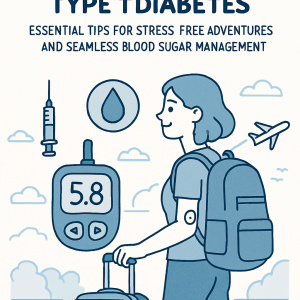
Finally, plan for travel and off-site meetings by packing extra supplies and researching nearby medical facilities in advance. Stressful situations like travel can impact blood sugar levels, so having a plan helps mitigate unexpected challenges. For long trips, ensure you have enough medication and supplies, and if flying, keep them in your carry-on luggage to avoid potential loss in checked baggage. By planning ahead, you can maintain your health while pursuing business opportunities.
While these tips provide a general guide, everyone’s experience with type 1 diabetes is unique. Regular consultations with your healthcare provider can help tailor these strategies to fit your personal health needs. Balancing entrepreneurship with diabetes management is certainly achievable with the right mindset and preparation.
5. Expert Opinions
When balancing entrepreneurship with type 1 diabetes, expert opinions emphasize the importance of integrating health management into daily routines without letting it overshadow business ambitions. Clinicians generally recommend that individuals with type 1 diabetes maintain a structured, yet flexible, approach to managing their condition. This can involve setting regular check-ins with healthcare providers to monitor blood sugar levels and adjust treatment plans as needed. Keeping a consistent schedule for meals and medication can also help stabilize glucose levels, which is crucial for maintaining energy and focus throughout a busy workday.
Experts also highlight the benefits of leveraging technology to manage diabetes effectively. Tools such as continuous glucose monitors and insulin pumps can provide real-time data and automate some aspects of diabetes care, freeing up mental bandwidth for entrepreneurial tasks. However, choices around such devices should be made in consultation with healthcare professionals to ensure they align with individual health needs and lifestyles.
Incorporating healthy lifestyle habits is another area where expert guidance can be invaluable. Regular physical activity is often encouraged, as it can improve insulin sensitivity and help manage stress, a common companion of entrepreneurship. Additionally, a balanced diet rich in fiber, lean proteins, and healthy fats can support stable blood sugar levels and overall well-being. However, because dietary needs can vary significantly among individuals with type 1 diabetes, it’s advisable to work with a registered dietitian for personalized recommendations.
Stress management is another crucial component that experts recommend addressing. Entrepreneurship can be inherently stressful, and stress can significantly impact blood sugar levels. Techniques such as mindfulness, meditation, or even short breaks for deep breathing exercises can be integrated into daily routines to help manage stress. Again, personal preferences and needs should guide the choice of stress-relief techniques, and discussing these options with a healthcare provider can be beneficial.
Ultimately, while expert opinions provide a framework for integrating diabetes management with entrepreneurship, they also underscore the importance of personalized care. Every individual’s experience with type 1 diabetes is unique, and what works best for one person may not be suitable for another. Therefore, it is crucial for individuals to work closely with their healthcare team to develop a personalized plan that supports both their health and business goals. Regular communication with healthcare providers can help entrepreneurs with type 1 diabetes navigate challenges and make informed decisions that align with their ambitions and well-being.
6. Misconceptions
Misconceptions about type 1 diabetes can create unnecessary barriers for entrepreneurs striving to balance their business goals with effective health management. One common misunderstanding is that type 1 diabetes is caused by lifestyle choices, similar to some cases of type 2 diabetes. It’s crucial to clarify that type 1 diabetes is an autoimmune condition where the body’s immune system mistakenly attacks insulin-producing cells in the pancreas. This distinction is important, especially for entrepreneurs who may face stigma or feel pressured to hide their condition in a professional setting. Acknowledging the nature of type 1 diabetes can foster a more supportive environment, which is beneficial for both personal and professional growth.
Another prevalent misconception is that people with type 1 diabetes cannot lead demanding careers or take on entrepreneurial endeavors due to the need for constant health monitoring and management. While it’s true that managing type 1 diabetes requires careful planning and attention, many successful entrepreneurs with the condition demonstrate that it is entirely possible to pursue ambitious business ventures. Technologies such as continuous glucose monitors (CGMs) and insulin pumps have made it easier to manage blood sugar levels discreetly and effectively. However, it’s important to personalize management strategies in consultation with healthcare providers to ensure they align with individual needs and lifestyle demands.
Additionally, some people might believe that experiencing a hypoglycemic episode means the person with diabetes must immediately abandon their current activity. While addressing low blood sugar promptly is critical to avoid potential complications, it’s not necessarily a sign that an entrepreneur should give up on their task or goal. Instead, having a plan in place to treat hypoglycemia, such as carrying quick-acting carbohydrates, can allow them to safely resume their activities once they have recovered. Entrepreneurs are encouraged to work with their healthcare team to develop strategies that accommodate such scenarios, allowing them to maintain their focus on business objectives while prioritizing health and safety.
Finally, there’s a misconception that type 1 diabetes is a limiting factor in achieving professional success. On the contrary, many entrepreneurs find that managing their condition effectively can enhance their organizational skills, attention to detail, and resilience — qualities that are invaluable in the business world. By debunking these misconceptions, those with type 1 diabetes can shift the narrative from limitation to empowerment, embracing their entrepreneurial spirit with confidence. It’s always advisable to consult healthcare professionals for personalized advice to navigate the unique challenges of managing diabetes while pursuing entrepreneurial ambitions effectively.
7. Summary
Managing type 1 diabetes while pursuing entrepreneurial ambitions can be a challenging but rewarding journey. This section summarizes key strategies that may support individuals in balancing their business goals with effective health management. First and foremost, understanding the importance of creating a flexible yet structured routine is crucial for entrepreneurs with type 1 diabetes. Flexibility allows for the unpredictability of business demands, while structure ensures that diabetes management remains a consistent priority.
Effective time management plays a vital role in harmonizing these two areas of life. Entrepreneurs are encouraged to schedule regular health check-ins and integrate diabetes management tasks into their daily routines. Using technology, such as continuous glucose monitors and smartphone apps, can automate some aspects of diabetes care, providing real-time data to help make informed decisions without significantly disrupting work activities. This tech-savvy approach can create efficiencies that free up time for business-focused tasks.
Another important element is building a supportive network, both personally and professionally. This can include healthcare providers, who offer medical insights tailored to the individual’s condition, as well as family, friends, and colleagues who understand the unique challenges faced and can offer emotional or logistical support. Having a team that respects and supports one’s health needs can create an environment where both business and health thrive.
Moreover, stress management is crucial, as the pressures of entrepreneurship can impact blood sugar levels. Techniques such as mindfulness, regular exercise, and adequate rest may help entrepreneurs manage stress and maintain better blood glucose control. It’s essential to remember that the approach to stress management is personal, and what works for one individual may not be as effective for another. Therefore, experimenting with different techniques and consulting healthcare professionals for personalized advice can be beneficial.
Finally, it’s important for entrepreneurs with type 1 diabetes to remain adaptable and open to modifying their strategies as both their business and health needs evolve. Regular consultations with healthcare providers can provide guidance and help adapt management plans as necessary. By balancing business ambitions with informed health management strategies, entrepreneurs with type 1 diabetes can work towards achieving their goals while maintaining their well-being.