1. Introduction
Type 1 diabetes is a complex and lifelong condition that requires diligent management of blood sugar levels through a regimen of insulin therapy, diet, and lifestyle adjustments. For those living with this condition, the daily demands can be overwhelming, potentially affecting mental and emotional well-being. Mindfulness meditation, an ancient practice gaining recognition in modern healthcare, offers promising support in enhancing the quality of life for individuals with type 1 diabetes. This introductory section explores how mindfulness meditation, when integrated into a comprehensive diabetes management plan, may offer emotional balance and stress reduction, which are crucial for maintaining overall health.
Mindfulness meditation involves focusing on the present moment with acceptance and without judgment. It encourages individuals to become more aware of their thoughts, feelings, and bodily sensations. For people managing type 1 diabetes, this heightened awareness can be particularly beneficial. By fostering a mindful approach, individuals may develop a better understanding of their body’s signals, potentially aiding in more responsive and effective diabetes management. While mindfulness meditation is not a replacement for medical treatments or professional advice, it can be a complementary tool that supports mental resilience and emotional well-being.
Research in the field of mindfulness has shown that regular practice may help reduce stress, anxiety, and depression—common challenges faced by many living with chronic conditions like type 1 diabetes. Stress, in particular, can have a significant impact on blood sugar levels and overall health, making stress management a vital component of diabetes care. Mindfulness meditation can offer a way to cultivate calmness and clarity, which may help individuals navigate the complexities of diabetes management more effectively.
It’s important to note that mindfulness meditation is a personal practice, and its benefits can vary from person to person. Some may find significant improvements in their quality of life, while others might experience subtle changes. As with any aspect of diabetes care, it’s essential for individuals to work closely with their healthcare providers to tailor their approach to their unique needs. Exploring mindfulness meditation as part of a broader diabetes management strategy should be done in consultation with a doctor or a mental health professional, ensuring that all aspects of one’s health are considered.
2. Medical Overview
Type 1 diabetes is a chronic condition characterized by the immune system mistakenly attacking the insulin-producing beta cells in the pancreas. This autoimmune reaction leads to little or no insulin production, a hormone crucial for allowing glucose to enter cells to be used for energy. Without adequate insulin, blood glucose levels can rise to dangerous levels, requiring individuals to manage their condition through daily insulin administration and careful monitoring of blood sugar levels. This lifelong management is critical to avoid both short-term issues, such as hypoglycemia (low blood sugar), and long-term complications, including cardiovascular disease, neuropathy, and kidney damage.
Living with type 1 diabetes involves a delicate balance of insulin management, dietary choices, and lifestyle adjustments, making it demanding both physically and emotionally. The constant need for vigilance can contribute to stress, anxiety, and even burnout. This is where mindfulness meditation may offer potential benefits. Mindfulness meditation focuses on cultivating awareness of the present moment in a non-judgmental way, which can help individuals manage stress and improve emotional well-being. While mindfulness practices are not a replacement for medical treatment, they may complement traditional diabetes management by enhancing mental health and quality of life.
Research into the effects of mindfulness on chronic conditions, including type 1 diabetes, is ongoing, and initial findings suggest that mindfulness meditation may help reduce stress and improve psychological outcomes. However, how these practices specifically impact diabetes management can vary from person to person. It’s important for individuals with type 1 diabetes to consult with their healthcare team before starting any new wellness practices. This ensures that any integrative approach, such as mindfulness meditation, aligns with their overall treatment plan and personal health needs.
While integrating mindfulness meditation into daily routines, individuals should continue to prioritize their established diabetes management practices. This includes regular blood sugar monitoring, adhering to prescribed insulin regimens, and recognizing the signs of hypo- or hyperglycemia. If symptoms of low blood sugar occur, it is crucial to treat them immediately and confirm recovery before resuming activities, including meditation or exercise. By maintaining this comprehensive approach, individuals with type 1 diabetes can work towards a balanced lifestyle that supports both their physical and mental health.
3. Practical Guidance
Incorporating mindfulness meditation into daily routines can offer practical support for individuals managing Type 1 diabetes. Mindfulness meditation involves focusing on the present moment with a non-judgmental awareness, which can help in reducing stress and promoting emotional well-being. This practice may be particularly beneficial for individuals with Type 1 diabetes, who often face the stress of continuous blood sugar management and the unpredictability of their condition. To get started, consider setting aside a specific time each day, even if it’s just five minutes, to engage in mindfulness meditation. This can be in the morning to set a calm tone for the day or in the evening to unwind and reflect.
Begin by finding a quiet and comfortable space where you won’t be disturbed. Sit in a comfortable position and close your eyes if you feel comfortable doing so. Focus on your breath, noticing the inhalation and exhalation, and if your mind begins to wander, gently bring your attention back to your breath. It’s normal for thoughts to arise; the key is to acknowledge them without judgment and return to the present moment. Over time, this practice can help in cultivating a sense of calm and resilience, potentially making it easier to handle the daily demands of managing Type 1 diabetes.
Mindfulness meditation may also assist in improving self-awareness, which can be a useful tool for recognizing patterns in blood sugar levels and emotional responses. By becoming more attuned to your body’s signals, you might find it easier to identify factors that affect your blood glucose levels. However, it’s important to remember that mindfulness meditation is a complementary practice, not a replacement for medical treatment or a substitute for following your healthcare provider’s advice. Always consult with your healthcare team before making any changes to your diabetes management plan.
It’s crucial to also be mindful of your body’s physical needs during meditation sessions. If you experience symptoms of low blood sugar, such as dizziness or shakiness, it’s essential to pause and address these symptoms immediately. Ensure that your blood sugar levels are stable before resuming meditation. Additionally, incorporating mindfulness into your routine doesn’t have to be limited to formal meditation sessions. Practice mindful eating by savoring each bite and being aware of how different foods affect your body. This can enhance the enjoyment of meals and support better blood sugar management.
Overall, while mindfulness meditation is a helpful tool for many, its effects can vary from person to person. It’s essential to approach this practice with an open mind and allow yourself the flexibility to discover what works best for you. By integrating mindfulness into your daily life, you may find not only an enhanced quality of life but also a more balanced approach to managing Type 1 diabetes. As always, for personalized advice and guidance, consult your healthcare provider.
4. Practical Tips
Incorporating mindfulness meditation into daily routines may offer valuable support to individuals managing type 1 diabetes, enhancing their overall quality of life. While mindfulness is not a substitute for medical treatment, it can be a complementary practice that helps in managing the mental and emotional challenges associated with the condition. Here are some practical tips to help you integrate mindfulness meditation into your lifestyle.
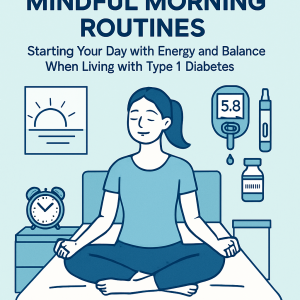
Firstly, consider starting your day with a short meditation session. Set aside 5-10 minutes each morning to focus on your breath and center your thoughts. This practice can help you approach your day with a calm mindset, potentially reducing stress, which is known to affect blood glucose levels. By establishing this morning routine, you create a foundation for a mindful day, which can be particularly beneficial when dealing with the unpredictability of type 1 diabetes.
Another practical approach is to practice mindful eating. Before meals, take a few moments to appreciate the food’s appearance, aroma, and texture. Eating mindfully can encourage you to savor each bite, promoting better digestion and making you more aware of your body’s hunger and satiety signals. This increased awareness can be a helpful tool in managing carbohydrate intake and maintaining more stable blood sugar levels. Remember, mindful eating is not a replacement for carbohydrate counting or insulin management; it is a way to enhance your meal experience.
Incorporating mindful movement, such as yoga or tai chi, into your routine can also be beneficial. These activities combine physical exercise with mindfulness practices, offering a dual benefit of improving physical health and mental clarity. Engaging in mindful movement can be particularly effective in relieving stress and enhancing mood, both of which can have a positive impact on diabetes management. However, it’s crucial to monitor your blood sugar levels before and after these activities to ensure your safety and adjust your management plan as needed. Consulting with a healthcare provider can help tailor these practices to your individual needs.
Lastly, using mindfulness techniques during challenging moments, such as when experiencing symptoms of hypoglycemia or hyperglycemia, may help maintain emotional balance. While it’s vital to address these symptoms immediately with appropriate medical actions, mindfulness can assist in managing any accompanying anxiety or frustration. Practicing deep breathing or grounding exercises can help you stay focused and calm while you take the necessary steps to treat your symptoms.
Remember, integrating mindfulness meditation into your type 1 diabetes management plan is a personal journey, and what works for one person may not work for another. Be sure to discuss any new practices with your healthcare team to ensure they complement your existing treatment plan effectively. With patience and regular practice, mindfulness meditation may become a valuable tool in enhancing your quality of life.
5. Expert Opinions
Mindfulness meditation, a practice rooted in promoting awareness and acceptance of the present moment, has garnered attention among healthcare professionals for its potential benefits in managing type 1 diabetes. Experts in the field of diabetes management often highlight the psychological and physiological challenges faced by individuals with this condition. Living with type 1 diabetes requires constant vigilance and can be a source of significant stress and emotional strain. Mindfulness meditation may offer a supportive approach to alleviate some of these burdens, enhancing overall quality of life.
Clinicians commonly recognize that stress can negatively impact blood sugar levels in individuals with type 1 diabetes. Stress hormones, such as cortisol, can cause blood glucose levels to fluctuate, making diabetes management more challenging. Mindfulness practices are believed to foster a sense of calm and reduce stress, which may help in stabilizing blood sugar levels. While mindfulness meditation is not a replacement for medical treatment, it is seen as a complementary practice that can be integrated into a comprehensive diabetes care plan.
Healthcare providers often suggest that mindfulness meditation could improve emotional well-being by encouraging a more balanced response to the daily demands of diabetes management. Emotional resilience is crucial, as the need for frequent blood sugar monitoring and insulin administration can lead to diabetes burnout. Through regular mindfulness practice, individuals may develop greater emotional regulation and a more positive outlook, which can be beneficial in coping with the chronic nature of type 1 diabetes.
While the potential benefits of mindfulness meditation are promising, experts emphasize the importance of individualized care. What works well for one person may not be as effective for another, and the integration of mindfulness practices should be personalized. It’s advisable for individuals interested in exploring mindfulness meditation as part of their diabetes management to consult with their healthcare team. Professionals can provide guidance on suitable practices and help ensure that meditation complements rather than interferes with existing treatment protocols.
Overall, the incorporation of mindfulness meditation into the daily routine of someone with type 1 diabetes may offer a valuable pathway to enhancing quality of life. By fostering a mindful approach to both the emotional and physical aspects of diabetes management, individuals might experience improvements in their mental health and, consequently, their diabetes control. However, it’s crucial to approach this practice as part of a broader, individualized care plan developed in consultation with healthcare professionals.
6. Misconceptions
Misconceptions about type 1 diabetes and its management abound, and these misunderstandings can affect how individuals approach complementary practices like mindfulness meditation. A common misconception is that mindfulness meditation is a cure for type 1 diabetes. While mindfulness practices may offer benefits in managing stress and enhancing overall well-being, they are not a substitute for medical treatment, such as insulin therapy. Type 1 diabetes is a chronic condition that requires careful management, and any complementary practice should be considered as part of a broader treatment plan, which should always be discussed with a healthcare provider.
Another common myth is that mindfulness meditation can replace the need for monitoring blood sugar levels. People sometimes assume that by achieving a state of calm, they can maintain stable glucose levels without frequent checks. However, mindfulness is intended to complement, not replace, the essential tasks of diabetes care, such as regular blood sugar monitoring and adhering to prescribed medication schedules. Ensuring blood glucose is within target ranges is crucial, and skipping these checks can lead to dangerous situations, such as hypoglycemia or hyperglycemia.
Furthermore, some people might believe that mindfulness meditation is only about sitting in silence and clearing the mind, which can deter those who find it challenging to sit still or who experience racing thoughts. In reality, mindfulness is about staying present and aware, accepting thoughts and feelings without judgment. This practice can help individuals with type 1 diabetes become more attuned to their body’s signals, potentially improving their response to stress and daily management tasks. However, it is important to note that the effectiveness of mindfulness techniques can vary from person to person. What works for one individual may not work for another, and it’s essential to find a practice that feels right for the individual.
Lastly, there’s a misconception that mindfulness requires significant time and lifestyle changes, making it inaccessible for those with busy schedules. In truth, mindfulness can be incorporated into daily life in small, manageable ways. Simple practices, such as mindful breathing or brief moments of reflection, can be integrated into everyday routines without demanding extensive time or resources. This flexibility allows individuals with type 1 diabetes to tailor mindfulness practices to fit their unique needs and schedules.
In summary, while mindfulness meditation can play a supportive role in enhancing quality of life for those with type 1 diabetes, it is not a standalone treatment. Individuals interested in exploring mindfulness should consult with their healthcare providers to ensure it complements their existing diabetes management plan safely and effectively. By dispelling these misconceptions, individuals can better understand how mindfulness can be a part of a holistic approach to living well with type 1 diabetes.
7. Summary
Mindfulness meditation has gained attention as a supportive practice that may enhance the quality of life for individuals living with type 1 diabetes. This approach, which involves focusing one’s awareness on the present moment while calmly acknowledging and accepting one’s feelings, thoughts, and bodily sensations, can offer various benefits for those managing this chronic condition. The unpredictable nature of type 1 diabetes, characterized by fluctuating blood sugar levels and the need for constant vigilance, can be a source of significant stress and anxiety. Mindfulness meditation may help individuals develop a more relaxed and resilient mindset, potentially aiding in the management of stress-related aspects of diabetes care.
One of the key potential benefits of mindfulness meditation for individuals with type 1 diabetes is its ability to reduce stress. Chronic stress can negatively impact blood sugar control, which is already a delicate balance to maintain for those with this condition. By practicing mindfulness, individuals may find they are better equipped to handle everyday stressors, which in turn, might contribute to more stable blood glucose levels. Furthermore, mindfulness practices can promote a deeper awareness of the body, encouraging individuals to notice subtle changes in their physical condition that might indicate shifts in blood sugar levels, prompting timely self-care actions.
While mindfulness meditation holds promise, it is important to note that it is not a standalone treatment for type 1 diabetes. It should be considered a complementary tool within a broader diabetes management plan that includes regular medical care, monitoring of blood glucose levels, and adherence to prescribed treatments. Individuals who are interested in incorporating mindfulness meditation into their diabetes management routine should consider consulting with healthcare professionals to ensure that it aligns with their overall treatment goals and needs. Personalized medical advice is crucial, as each individual’s experience with type 1 diabetes is unique, and what works well for one person may not be as effective for another.
In summary, mindfulness meditation may offer a supportive adjunct to the comprehensive management of type 1 diabetes, helping individuals cope with the psychological and emotional challenges associated with the condition. By fostering a greater sense of calm and awareness, mindfulness can potentially enhance overall well-being and quality of life. As with any new health practice, it is beneficial for individuals to discuss their interest in mindfulness meditation with their healthcare team to ensure it complements their existing diabetes care plan safely and effectively.