1. Introduction
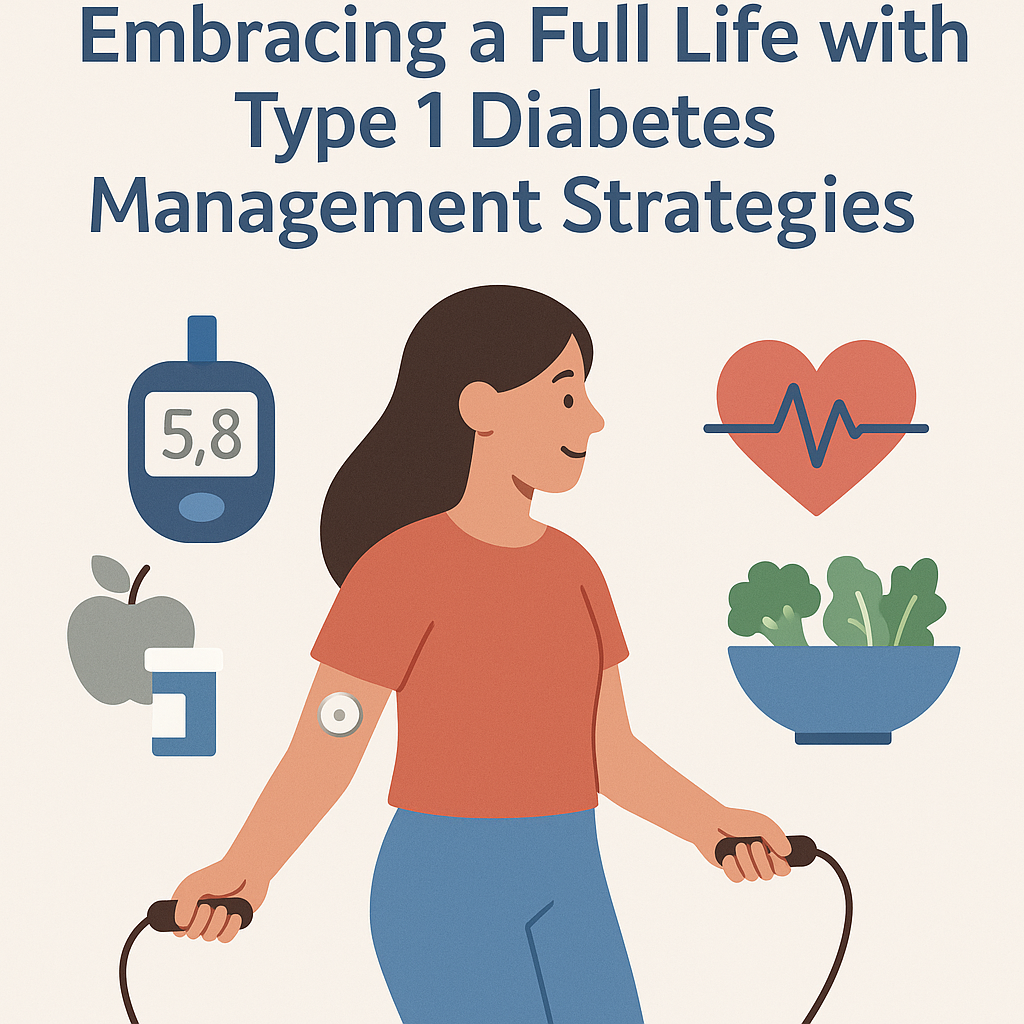
Type 1 diabetes is a lifelong condition that requires diligent management, but it doesn’t have to define or limit one’s life. With the right strategies, individuals can lead full and vibrant lives that extend well beyond the daily routine of monitoring glucose levels. The journey involves understanding how to balance the demands of diabetes with personal interests, careers, and social lives, all while maintaining a focus on health and well-being. Although living with type 1 diabetes can present unique challenges, advances in technology and management strategies offer a variety of tools to help individuals navigate these challenges more effectively. From insulin pumps and continuous glucose monitors (CGMs) to lifestyle adjustments and emotional support, there are numerous ways to manage the condition proactively.
At the heart of successful type 1 diabetes management is a personalized approach that takes into account the unique needs and lifestyle of each individual. This may include a combination of medical devices, nutritional planning, physical activity, and stress management techniques. It’s essential to work closely with healthcare providers to tailor these strategies to best fit one’s individual circumstances. Regular consultations with a healthcare team can help adapt management plans to changes in lifestyle or health status, ensuring that individuals are equipped to handle the dynamic nature of the condition.
Embracing life with type 1 diabetes also involves a mindset of resilience and adaptability. Building a supportive community, whether through friends, family, or diabetes support groups, can provide encouragement and share valuable experiences. Connecting with others who understand the day-to-day realities of living with diabetes can foster a sense of belonging and help mitigate feelings of isolation that sometimes accompany chronic health conditions. Additionally, staying informed about new developments in diabetes research and management options can empower individuals to make informed decisions about their health.
Overall, the essence of thriving with type 1 diabetes lies in balancing proactive management with the pursuit of personal passions and goals. While it is crucial to remain vigilant about monitoring and managing blood sugar levels, it is equally important to embrace opportunities for growth, exploration, and enjoyment. By integrating effective management strategies into everyday life, individuals with type 1 diabetes can focus more on the moments that bring joy and fulfillment. Remember, while this information provides a general overview, it’s important to consult with healthcare providers to tailor these strategies to your specific needs and circumstances. They can offer the most personalized advice and support on this journey.
2. Medical Overview
Type 1 diabetes is a chronic condition characterized by the body’s inability to produce insulin, a hormone essential for regulating blood glucose levels. This occurs because the immune system mistakenly attacks and destroys the insulin-producing beta cells in the pancreas. As a result, individuals with type 1 diabetes must rely on external insulin administration to manage their blood sugar levels and prevent complications. Understanding the medical aspects of this condition is crucial for developing effective management strategies and embracing a full life while living with type 1 diabetes.
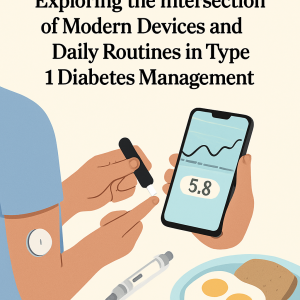
Managing type 1 diabetes involves a balance of several key elements: regular monitoring of blood glucose levels, insulin administration, a balanced diet, and physical activity. Blood glucose monitoring provides valuable information that helps in making informed decisions about insulin dosing and dietary choices. There are various methods available today, including traditional fingerstick tests and continuous glucose monitors (CGMs), which provide real-time glucose readings. These tools can help individuals and their healthcare teams tailor their diabetes management plans to suit their unique needs.
Insulin therapy is another cornerstone of type 1 diabetes management. It typically involves multiple daily injections or the use of an insulin pump. The timing and type of insulin used can vary from person to person, depending on individual lifestyle and specific medical needs. Advances in insulin formulations and delivery systems continue to offer more options for achieving better glucose control. It’s important to work closely with a healthcare provider to determine the most suitable insulin regimen and to adjust it as needed over time.
Nutrition plays a significant role in diabetes management. A balanced diet helps maintain stable blood glucose levels and supports overall health. While there is no one-size-fits-all diet for people with type 1 diabetes, a dietitian can help tailor a meal plan that fits personal preferences and lifestyle. Monitoring carbohydrate intake is especially crucial since carbohydrates have the most immediate impact on blood glucose levels. Building a flexible and enjoyable eating plan can empower individuals to manage their condition effectively.
Physical activity is another important component of managing type 1 diabetes. Regular exercise can improve insulin sensitivity, help manage body weight, and provide numerous cardiovascular benefits. However, exercise can also affect blood glucose levels in complex ways, sometimes leading to unexpected highs or lows. It’s advisable to discuss exercise plans with a healthcare provider to understand how different types of activity may impact blood glucose levels and how to adjust insulin and carbohydrate intake accordingly.
Given the complexity of managing type 1 diabetes, it is essential to maintain regular communication with healthcare professionals. They can provide guidance on adjusting management strategies and offer support in addressing any challenges that arise. By staying informed and engaged in their care, individuals with type 1 diabetes can embrace a full and active life, navigating their condition with confidence. Always consult with your doctor or diabetes care team before making any changes to your management plan.
3. Practical Guidance
Effectively managing type 1 diabetes involves a blend of monitoring, lifestyle adjustments, and proactive planning. A cornerstone of this approach is understanding how to balance insulin, diet, and physical activity. Blood sugar monitoring is essential, and with advancements in technology, continuous glucose monitors (CGMs) can provide real-time feedback to help track fluctuations. While these devices offer valuable insights, it’s important to remember that they don’t replace the need for regular blood glucose testing. Always ensure you have backup supplies, such as a traditional glucose meter, especially when traveling or during power outages.
Nutrition plays a pivotal role in managing type 1 diabetes. A balanced diet that includes a mix of carbohydrates, proteins, and fats can help stabilize blood sugar levels. It might be beneficial to learn carbohydrate counting as a way to better manage your insulin needs. While general guidelines can offer a starting point, nutritional needs can vary greatly among individuals. Consulting with a registered dietitian or a certified diabetes educator can help tailor dietary choices to your specific needs. Additionally, staying hydrated and mindful of portion sizes can further aid in maintaining blood glucose balance.
Physical activity is another crucial component of diabetes management. Regular exercise can improve insulin sensitivity and lower blood sugar levels over time. However, it’s important to be aware of how different types of exercise might affect your glucose levels. For instance, aerobic activities like jogging might lower blood sugar, while anaerobic exercises, such as weightlifting, might cause it to rise temporarily. Planning ahead by checking your blood sugar before, during, and after exercise can help you understand and adjust to these changes. Remember to have a quick source of glucose handy, such as glucose tablets or juice, to address any unexpected drops in blood sugar levels.
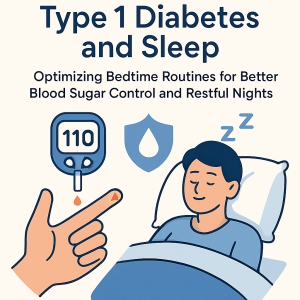
Stress management and adequate sleep are often overlooked but vital aspects of diabetes care. Stress can lead to increased blood sugar levels, so incorporating relaxation techniques like deep breathing, meditation, or yoga into your routine may be beneficial. Likewise, aiming for consistent, quality sleep each night can help your body regulate insulin more effectively. If you experience sleep disturbances, discussing these with your healthcare provider can lead to strategies that support better rest and overall diabetes management.
Finally, having a plan in place for emergencies is crucial. Whether it’s a sudden drop in blood sugar or an unexpected illness, knowing how to respond can make a significant difference. Carrying medical identification and ensuring that friends or colleagues are aware of your condition can provide an added layer of safety. Regular check-ins with your healthcare team are also important to adjust your management plan as needed. Remember, while managing type 1 diabetes requires diligence, it is entirely possible to lead a fulfilling and active life with the right strategies and support. Always consult with your healthcare provider to tailor these general guidelines to your personal health needs.
4. Practical Tips
Living with type 1 diabetes involves much more than simply monitoring blood sugar levels. Embracing a full life while managing this condition includes integrating practical strategies into daily routines that support both physical and emotional well-being. Here are a few tips that can help enhance diabetes management and overall quality of life.
First, consider the power of planning and preparation, particularly when it comes to meals. Preparing meals at home with fresh ingredients can provide you with better control over your carbohydrate intake and help maintain stable blood sugar levels. Try creating a weekly meal plan that includes balanced meals with a mix of proteins, healthy fats, and fiber-rich carbohydrates. Preparing meals in advance and having healthy snacks ready can also make it easier to stick to your dietary goals. While such planning can be beneficial, remember that dietary needs can vary widely, so it’s important to consult with a healthcare provider or dietitian to tailor a plan that suits your unique needs.
Another practical tip is to incorporate regular physical activity into your routine. Exercise can play a significant role in managing type 1 diabetes by improving insulin sensitivity and aiding blood sugar control. Activities such as walking, cycling, or swimming can be enjoyable ways to stay active. It’s important to monitor your blood sugar levels before, during, and after exercise, as physical activity can affect insulin requirements. Always have a source of fast-acting carbohydrates on hand in case of hypoglycemia, and speak with your healthcare team to develop a safe exercise plan tailored to your individual health profile.
Additionally, managing stress effectively is crucial for those with type 1 diabetes, as stress can impact blood sugar levels. Engaging in relaxation techniques such as deep breathing, meditation, or yoga can help reduce stress and promote emotional well-being. These practices can be incorporated into your daily routine, even if only for a few minutes at a time. Regularly setting aside moments for self-care can support mental health and contribute to better diabetes management. If you’re unsure about which stress-reduction techniques might be most effective for you, consulting a mental health professional can provide valuable guidance.
By integrating these practical strategies into your life, you may find greater ease and success in managing type 1 diabetes. It’s essential to remember that what works for one person may not work for another, so collaborating closely with your healthcare team is key to finding the best approach for your individual circumstances. With thoughtful planning and a proactive mindset, it’s entirely possible to embrace a full and active life while managing type 1 diabetes.
5. Expert Opinions
When managing type 1 diabetes, expert perspectives emphasize a comprehensive approach that includes not just monitoring blood sugar levels but also adopting a lifestyle that supports overall well-being. Clinicians generally recommend maintaining a balanced diet, regular physical activity, and consistent medication adherence as foundational pillars for effective diabetes management. They often highlight the importance of continuous education and staying informed about the latest advancements in diabetes care. This can empower individuals to make informed decisions and actively participate in their health management.
Experts also stress the significance of personalized care plans. Since each individual’s experience with type 1 diabetes can vary greatly, healthcare professionals advocate for tailored strategies that consider personal preferences, lifestyle, and health goals. Working closely with healthcare providers to adjust insulin regimens and lifestyle modifications can be crucial for balancing blood sugar levels while maintaining a flexible and fulfilling daily routine. For instance, some may find that specific dietary adjustments or exercise routines work better for managing their glucose levels, and these should be discussed with a healthcare provider to ensure safety and efficacy.
Another crucial aspect emphasized by experts is mental and emotional well-being. Living with a chronic condition like type 1 diabetes can be challenging, and managing stress and mental health is often seen as essential to maintaining overall health. Healthcare professionals often recommend seeking support from mental health professionals, participating in support groups, or engaging in stress-reducing activities such as mindfulness or yoga. These practices can help individuals cope with the emotional demands of diabetes management and improve quality of life.
Furthermore, advancements in technology have been a significant focus among diabetes experts. The incorporation of continuous glucose monitoring systems (CGMs) and insulin pumps has revolutionized the way individuals manage their condition. These devices can provide real-time data and more precise insulin delivery, potentially improving glucose control and reducing the burden of constant monitoring. However, experts caution that while technology can be beneficial, it is not a one-size-fits-all solution. Individuals are encouraged to discuss with their healthcare providers whether these tools are suitable for their specific needs and how best to integrate them into their care plan.
Ultimately, experts agree that living a full life with type 1 diabetes is entirely possible with the right management strategies in place. They encourage individuals to maintain regular communication with their healthcare team to navigate the complexities of diabetes management. As each person’s journey is unique, ongoing collaboration with medical professionals can ensure that care plans remain effective and adaptable to changing circumstances. Always consult with your doctor before making any significant changes to your diabetes management routine, as they can provide guidance tailored to your individual health needs and goals.
6. Misconceptions
Misconceptions about type 1 diabetes are widespread, often stemming from a lack of understanding about the condition. One common misconception is that type 1 diabetes is caused by lifestyle choices, such as eating too much sugar or being overweight. In reality, type 1 diabetes is an autoimmune condition where the body’s immune system mistakenly attacks insulin-producing cells in the pancreas. Unlike type 2 diabetes, which can sometimes be influenced by lifestyle factors, type 1 diabetes is not preventable, and its exact cause is still not fully understood, although it is believed to involve a combination of genetic and environmental factors.
Another prevalent misunderstanding is that people with type 1 diabetes cannot lead normal, active lives. While managing the condition does require careful monitoring of blood sugar levels and insulin administration, many individuals with type 1 diabetes successfully pursue a wide range of activities, from competitive sports to artistic endeavors. Modern technology, such as continuous glucose monitors and insulin pumps, has made managing diabetes more streamlined and less intrusive, enabling individuals to focus more on living their lives fully.
There is also a misconception that insulin therapy is a cure for type 1 diabetes. In truth, insulin is a vital treatment that helps manage blood sugar levels, but it does not cure the condition. People with type 1 diabetes need to continually monitor their blood glucose levels and adjust their insulin doses accordingly. It’s important to understand that each person’s management plan is unique, and factors such as diet, exercise, stress, and illness can all influence blood sugar levels. Consulting with a healthcare professional is essential for anyone seeking to understand or adjust their diabetes management strategies.
Misunderstandings about hypoglycemia, or low blood sugar, are also common. Some believe that simply eating a sugary snack will instantly normalize blood sugar levels. However, while consuming fast-acting carbohydrates is a typical initial treatment, it’s crucial for individuals to check their levels and ensure they have recovered before resuming their activities. Severe hypoglycemia can be dangerous and requires prompt attention. If someone experiences frequent episodes, it is important to work with a healthcare provider to adjust their management plan.
Addressing these misconceptions is crucial for fostering a supportive environment for those living with type 1 diabetes. Encouraging open conversations and educating oneself and others about the realities of the condition can help dispel myths and promote a better understanding of what it means to manage type 1 diabetes effectively. If you or a loved one is navigating this journey, working closely with healthcare providers can provide the personalized guidance necessary to thrive.
7. Summary
Managing type 1 diabetes involves more than just monitoring blood sugar levels; it’s about embracing a full, vibrant life with the help of comprehensive management strategies. At its core, managing type 1 diabetes focuses on maintaining blood glucose levels within a target range. This often involves a combination of insulin therapy, dietary awareness, regular physical activity, and continuous glucose monitoring. While these are foundational elements, the journey goes beyond the numbers on a glucose monitor. It encompasses emotional well-being, fostering a supportive community, and developing resilience in the face of daily challenges.
One key strategy is integrating technology into diabetes management. Devices such as continuous glucose monitors (CGMs) and insulin pumps can provide real-time data and automate some aspects of care, potentially easing the daily burden and helping to achieve more stable blood glucose levels. However, the effectiveness of these tools can vary among individuals, and it’s essential for each person to consult with their healthcare team to determine the most suitable technology for their needs.
Diet also plays a significant role in managing type 1 diabetes. While there is no one-size-fits-all dietary plan, many find that understanding carbohydrate content and its impact on blood sugar is crucial. Some people may explore different eating patterns, such as low-carb or plant-based diets, to see what best supports their health goals. It’s important to approach dietary changes with flexibility and to seek guidance from healthcare providers or nutritionists to tailor a plan that aligns with personal health needs.
Physical activity is another cornerstone of living well with type 1 diabetes. Regular exercise can improve insulin sensitivity and contribute to overall well-being. However, balancing activity with insulin levels and food intake requires careful planning and might involve adjustments before, during, and after exercise to prevent hypoglycemia. As with other aspects of diabetes management, discussing exercise plans with a healthcare professional can help ensure safety and effectiveness.
Beyond these practical strategies, emotional and psychological support is vital. Living with a chronic condition can be challenging, and mental health should not be overlooked. Connecting with support groups, whether in-person or online, can provide encouragement and a sense of community. Professional mental health support, such as counseling, can also be beneficial in navigating the emotional complexities of type 1 diabetes.
In summary, managing type 1 diabetes is a multifaceted endeavor that extends beyond mere numbers. It involves a blend of technology, personalized dietary and exercise plans, and robust emotional support. While each person’s journey is unique, staying informed and connected with healthcare professionals can empower individuals to live full and active lives while managing their condition. Always consult with your healthcare team to tailor a management plan that best meets your individual needs.