1. Introduction
Managing type 1 diabetes involves a delicate balance of monitoring blood sugar levels, administering insulin, maintaining a healthy diet, and staying physically active. Among these important tasks, ensuring a good night’s sleep is often overlooked but plays a crucial role in overall diabetes management. The relationship between sleep and blood sugar regulation is complex, involving hormonal fluctuations and metabolic changes that can impact how effectively the body responds to insulin. As individuals with type 1 diabetes navigate their daily lives, understanding the interplay between sleep and glucose control can provide valuable insights into optimizing their health and well-being.
Quality sleep is essential for everyone, but it holds particular significance for those managing type 1 diabetes. Sleep deprivation can lead to insulin resistance, making it more challenging to keep blood sugar levels in check. Additionally, fluctuating glucose levels can disrupt sleep patterns, creating a cycle that can be difficult to break. By establishing a consistent bedtime routine, individuals with type 1 diabetes may improve their sleep quality, helping to stabilize blood sugar levels and enhance their overall health. While each person’s experience with diabetes is unique, adopting strategies to support better sleep can be an empowering step towards more effective diabetes management.
In this article, we will explore the connection between type 1 diabetes and sleep, focusing on how bedtime routines can influence blood sugar control. We’ll discuss practical tips for creating a sleep-friendly environment and examine lifestyle adjustments that might support better sleep outcomes. Remember, while these suggestions can offer general guidance, it’s important to consult with your healthcare provider to create a personalized plan that suits your individual needs. Addressing sleep as a component of diabetes management might not only lead to better rest but could also contribute to achieving more stable blood sugar levels and a higher quality of life.
2. Medical Overview
Type 1 diabetes is a chronic condition characterized by the body’s inability to produce insulin, a hormone crucial for regulating blood glucose levels. This occurs because the immune system mistakenly attacks and destroys the insulin-producing beta cells in the pancreas. Without sufficient insulin, blood sugar levels can rise dangerously high, leading to various complications if not managed properly. People with type 1 diabetes need to monitor their blood glucose levels regularly and administer insulin through injections or an insulin pump. Achieving a balance between insulin, diet, and activity is vital to maintaining optimal blood sugar levels and overall health.
Sleep plays an important role in managing type 1 diabetes. Proper sleep can influence how the body responds to insulin and help in maintaining stable blood sugar levels. Conversely, poor sleep can make blood sugar management more challenging, potentially leading to insulin resistance and increased stress hormones, which can elevate glucose levels. Inadequate rest may also affect decision-making and increase the risk of hypoglycemia at night, a situation where blood sugar levels drop too low, requiring immediate action to correct. Checking blood sugar levels before bed is often recommended to help prevent nighttime hypoglycemia, but it’s important to consult with a healthcare provider to tailor strategies to individual needs.
Additionally, sleep disorders are more common in people with type 1 diabetes, including conditions such as sleep apnea, restless legs syndrome, and insomnia. These disorders can further complicate diabetes management and contribute to fatigue and impaired daytime functioning. Addressing sleep disorders with the guidance of a healthcare professional can improve both sleep quality and diabetes control. It’s important for individuals with type 1 diabetes to work closely with their healthcare team to develop personalized strategies that consider their unique sleep patterns and diabetes management needs.
In summary, understanding the interplay between type 1 diabetes and sleep can empower individuals to make informed decisions that support both restful nights and effective blood sugar control. While general guidelines can be helpful, it’s crucial to remember that each person’s experience with diabetes is unique. Therefore, it’s always advisable to discuss any concerns or questions about managing diabetes and sleep with a qualified healthcare provider who can offer personalized advice based on individual circumstances.
3. Practical Guidance
Establishing a consistent bedtime routine can be a key factor in managing type 1 diabetes effectively, particularly when it comes to blood sugar control and achieving restful sleep. One of the most beneficial steps is to set a regular sleep schedule. Going to bed and waking up at the same time every day helps regulate your body’s internal clock, which can have a positive impact on both sleep quality and blood sugar levels. Consistency can aid in stabilizing blood glucose patterns, but it’s important to remember that individual responses can vary. Consulting your healthcare provider can provide personalized insights tailored to your unique needs.
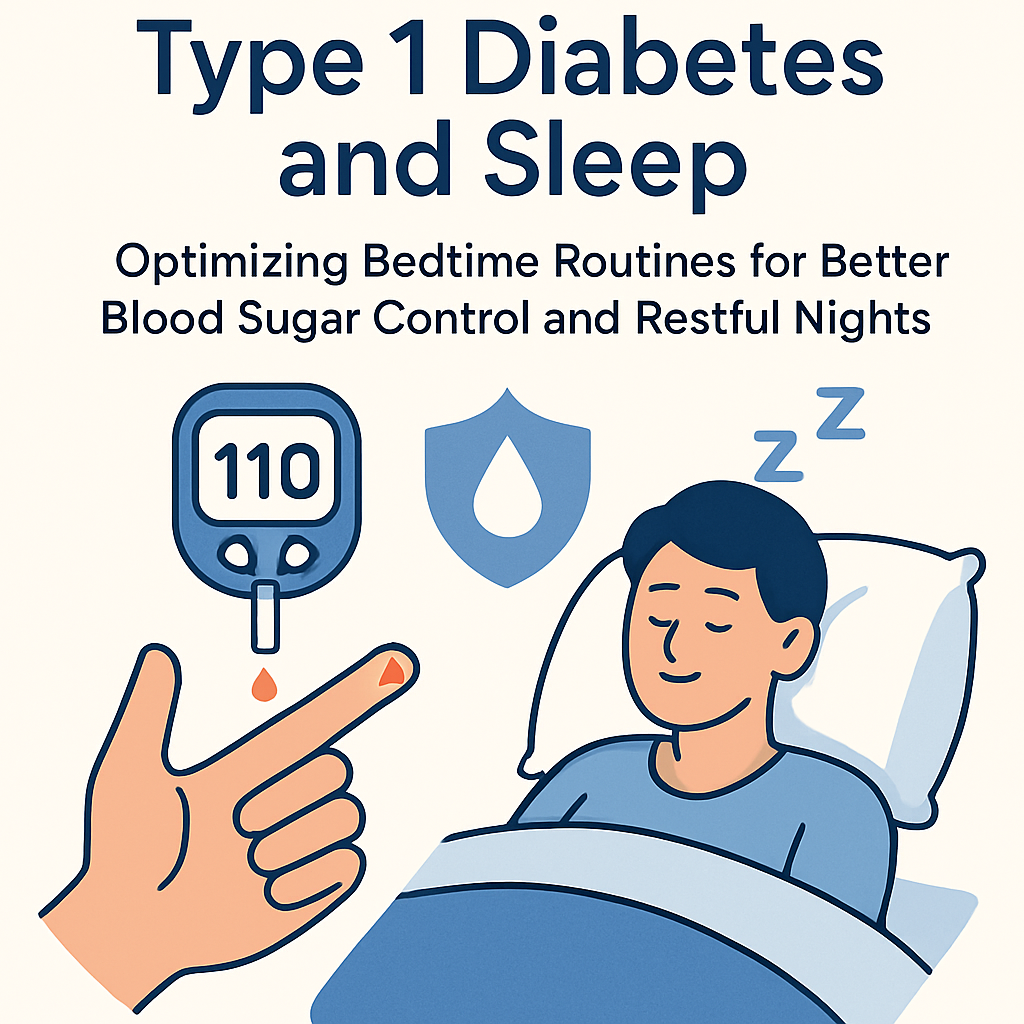
Before heading to bed, consider checking your blood sugar levels. This routine check can help you determine if any adjustments are needed to prevent nocturnal hypoglycemia or hyperglycemia. If your levels are lower than desired, a small, balanced snack containing carbohydrates and protein may be beneficial. However, the exact nature and timing of any snack should be discussed with your healthcare team to ensure it aligns with your overall diabetes management plan.
Creating a calming pre-sleep environment can also support better sleep and blood sugar regulation. Engage in relaxing activities, such as reading or meditative breathing exercises, and limit screen time from devices like phones or tablets at least an hour before bed. The blue light emitted by screens can interfere with the production of melatonin, a hormone responsible for sleep regulation. Additionally, maintaining a cool, dark, and quiet bedroom environment can further facilitate a good night’s rest.
Another practical aspect to consider is the timing of exercise. While regular physical activity is beneficial for overall health and diabetes management, exercising too close to bedtime can sometimes lead to fluctuating blood sugar levels, potentially impacting sleep. Aim to complete any vigorous exercise at least a few hours before bedtime and monitor how it affects your blood glucose. As always, any significant changes in exercise routines should be discussed with your healthcare provider to ensure safe and effective integration into your daily life.
Finally, be prepared for potential nighttime hypoglycemia. Keeping a source of fast-acting carbohydrates, such as glucose tablets or juice, by your bedside can be a wise precaution. If you experience symptoms of low blood sugar during the night, it is critical to address them promptly before returning to sleep. Always confirm that your blood sugar has returned to a safe level before resuming rest to ensure your safety and well-being.
Remember, while these strategies can support better sleep and blood sugar management, individual needs can vary significantly. Regular consultation with your healthcare team is crucial to tailor these general guidelines to your specific circumstances, helping you achieve the best possible outcomes in managing type 1 diabetes and sleep.
4. Practical Tips
Establishing a consistent bedtime routine can be beneficial for managing type 1 diabetes, as it may help stabilize blood sugar levels and promote better sleep quality. One practical tip is to maintain a regular sleep schedule by going to bed and waking up at the same time every day, even on weekends. This consistency can help regulate your body’s internal clock, making it easier to fall asleep and wake up naturally, which may in turn aid in maintaining more stable blood sugar levels.
Another useful strategy is to incorporate a calming pre-sleep routine. Activities such as reading a book, practicing gentle yoga, or engaging in meditation can help signal your body that it is time to wind down. Reducing stress before bed is particularly important, as stress hormones can cause blood sugar levels to spike. By creating a peaceful pre-sleep environment, you may help limit these fluctuations, though it is important to consult with your healthcare provider to tailor strategies to your individual needs.
Additionally, paying attention to your evening meals and snacks can be critical. Try to plan your last meal or snack at least two hours before bedtime, and consider choosing foods with a low glycemic index that are less likely to cause significant blood sugar spikes. Foods like whole grains, nuts, and certain fruits can be good options, but it’s crucial to monitor your blood sugar response to different foods with the help of your healthcare team. If you experience frequent nighttime hypoglycemia, discuss your meal timing and composition with your doctor to optimize your evening nutrition.
For those using continuous glucose monitors (CGMs), taking advantage of the device’s alarm settings can offer peace of mind overnight. By setting alerts for high and low blood sugar levels, you can be promptly informed of any significant changes, allowing you to address them quickly. However, remember that technology is only one part of the equation; understanding how different factors affect your blood sugar is key. Be sure to have regular discussions with your healthcare provider about how to effectively use these tools in conjunction with your overall diabetes management plan.
Finally, remember that individual responses to these strategies can vary. It’s important to keep track of how different approaches affect your blood sugar and sleep quality, and adjust as necessary. Regular consultations with your healthcare provider can help you refine your routine and ensure that your strategies are safe and effective for your particular situation. By being proactive and attentive to your body’s needs, you may improve both your sleep and blood sugar management.
5. Expert Opinions
Experts in the field of diabetes management emphasize the importance of a consistent bedtime routine for individuals with type 1 diabetes, as it can significantly impact both blood sugar control and sleep quality. Clinicians note that establishing a regular sleep schedule can aid in stabilizing the body’s circadian rhythms, which may help in balancing blood glucose levels overnight. A predictable routine might include going to bed and waking up at the same time each day, which helps the body’s internal clock function more efficiently. However, the specific timing may vary from person to person, and individuals should work with their healthcare providers to determine what best suits their needs.
Additionally, experts often recommend winding down before bedtime with relaxing activities to reduce stress and promote better sleep. Stress can influence blood sugar levels, so engaging in calming practices such as reading, gentle stretching, or deep-breathing exercises might be beneficial. Avoiding screens and stimulating activities close to bedtime is also advised, as these can interfere with the body’s natural sleep signals. Again, personalization is key, as what works for one person might not be suitable for another, highlighting the importance of consulting with healthcare professionals to tailor these strategies.
An integral part of managing type 1 diabetes involves monitoring blood glucose levels, especially before bedtime. Experts suggest that checking glucose levels prior to sleep can help individuals take appropriate actions, such as adjusting snack intake or insulin dosage if needed, to reduce the risk of nocturnal hypoglycemia. This practice, along with having a quick source of glucose readily available, can provide peace of mind and contribute to safer, more restful sleep. However, it’s crucial to follow personalized medical advice when making any adjustments, as individual requirements can vary greatly.
Moreover, healthcare professionals underline the significance of maintaining a balanced diet throughout the day, as overall nutrition can influence nighttime glucose stability. Consuming meals that incorporate fiber, healthy fats, and protein can support steadier blood sugar levels. While these general dietary suggestions can be helpful, it’s vital for individuals with type 1 diabetes to have their meal plans tailored to their specific needs by a qualified dietitian or healthcare provider.
Finally, clinicians generally recommend that those with type 1 diabetes remain vigilant about any sudden changes in sleep patterns or blood sugar control, as these can be signs of an underlying issue. Consulting with a healthcare professional is crucial if any concerns arise, ensuring that any adjustments to diabetes management or sleep routines are safely and effectively implemented. This collaborative approach not only supports better sleep but also enhances overall diabetes management.
6. Misconceptions
When it comes to type 1 diabetes and sleep, several misconceptions can cloud understanding and hinder effective management. A common myth is that people with type 1 diabetes can simply follow the same bedtime routines as those without the condition without any special considerations. In reality, individuals with type 1 diabetes often need to take extra steps to manage blood sugar levels during the night, which can involve monitoring blood glucose levels and adjusting insulin doses as needed. It’s important to recognize that a one-size-fits-all approach rarely works, and personalized strategies are crucial for optimal sleep and blood sugar control.
Another misconception is the belief that blood sugar levels are stable during sleep and do not require attention. However, nighttime can be a period of significant blood sugar fluctuations due to various factors such as physical activity, food intake, and hormonal changes. Some people may experience nocturnal hypoglycemia, where blood sugar levels drop too low during the night, which can disrupt sleep and pose health risks. It’s essential to address any signs of low blood sugar before attempting to sleep to ensure safety and well-being. Conversely, others might experience the dawn phenomenon, where blood sugar levels rise in the early morning hours. These variations highlight the need for individuals with type 1 diabetes to have tailored bedtime routines that address their specific needs.
There is also a misconception that poor sleep quality has no impact on diabetes management. In truth, inadequate sleep can affect insulin sensitivity and glucose metabolism, potentially leading to higher blood sugar levels and increased difficulty in managing diabetes. Prioritizing good sleep hygiene, such as maintaining a consistent sleep schedule and creating a restful environment, can play a vital role in supporting better blood sugar control. However, if sleep disturbances persist, it’s advisable to consult with a healthcare provider. They can offer insights into how sleep patterns might be affecting diabetes management and suggest strategies or adjustments to improve both sleep quality and blood sugar control.
Lastly, some people might assume that technology alone, such as continuous glucose monitors (CGMs) or insulin pumps, can fully manage nighttime blood sugar levels without any additional planning. While these tools provide valuable data and support, they are most effective when used as part of a comprehensive management plan that includes lifestyle adjustments and regular communication with healthcare professionals. Relying solely on technology without considering other factors may lead to suboptimal outcomes. It’s important for individuals with type 1 diabetes to work closely with their healthcare team to develop a bedtime routine that encompasses all aspects of diabetes management.
7. Summary
Type 1 diabetes, a condition characterized by the immune system’s attack on insulin-producing cells in the pancreas, presents unique challenges when it comes to maintaining stable blood sugar levels, especially during sleep. A restful night’s sleep is vital for everyone, but for individuals managing type 1 diabetes, optimizing bedtime routines can play a crucial role in overall health and well-being. While there is no one-size-fits-all approach, understanding how blood sugar levels interact with sleep patterns can help individuals develop strategies that may enhance both blood glucose control and sleep quality.
Several factors can influence blood sugar levels overnight, including the timing and composition of the evening meal, physical activity during the day, and stress levels. Engaging in a consistent bedtime routine may help in creating an environment conducive to better sleep and more predictable blood glucose levels. Activities such as winding down with a calming ritual, monitoring blood glucose before bed, and adjusting evening insulin doses where appropriate (under the guidance of a healthcare provider) are all part of crafting a personalized bedtime routine.
It’s important to be aware of the potential for nocturnal hypoglycemia, a condition where blood sugar levels drop too low during sleep. This can be a concern for those managing type 1 diabetes, as symptoms might not be recognized until the morning, potentially leading to a restless night and increased fatigue. Utilizing continuous glucose monitors (CGMs) with alerts for low blood sugar can provide a safety net, allowing individuals to take necessary steps to correct low blood sugar before it impacts sleep. Always consult with your healthcare provider to discuss how technology might fit into your diabetes management plan.
The connection between sleep and blood sugar control is complex, and what works for one person may not work for another. Therefore, working closely with your healthcare team is essential to tailor approaches that suit your individual needs. By experimenting with different strategies and engaging in open communication with medical professionals, individuals with type 1 diabetes can potentially improve their sleep quality and, in turn, their overall health. Remember, while optimizing bedtime routines is beneficial, it should be part of a broader, comprehensive diabetes management plan. As with any health-related changes, seeking professional advice ensures that any new routine complements your existing treatment strategy safely and effectively.