1. Introduction
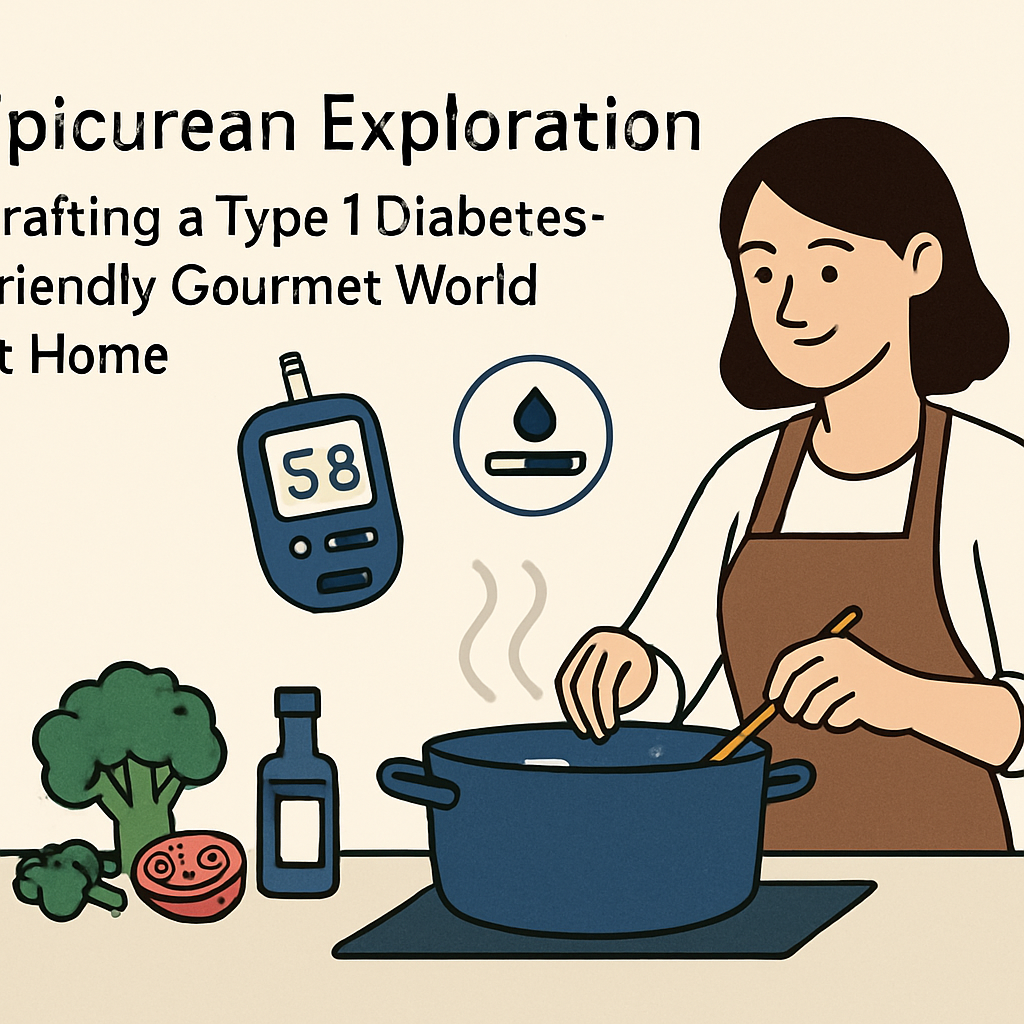
Exploring the world of gourmet food while managing type 1 diabetes may seem like a daunting endeavor, yet it offers a unique opportunity to savor the art of cooking with a mindful approach. Type 1 diabetes, a chronic condition where the pancreas produces little or no insulin, requires careful monitoring of blood sugar levels to maintain health and well-being. This necessity, however, does not mean that one must sacrifice the pleasure of a delicious meal. With thoughtful planning and a creative spirit, it’s entirely possible to craft a diabetes-friendly gourmet experience right in your own kitchen.
The realm of home cooking opens up a world of possibilities for those living with type 1 diabetes. By choosing fresh, whole ingredients and being aware of their nutritional content, you can create dishes that are both satisfying and supportive of your health goals. It’s important to remember that carbohydrate counting and understanding how different foods affect your blood sugar are key components of managing this condition. While this might require a bit of extra effort in the kitchen, the rewards are plentiful—a delicious meal that you can enjoy without compromising your health.
Embarking on this culinary journey invites you to embrace a mindset of exploration. Try experimenting with new recipes and ingredients, and don’t hesitate to make adjustments to fit your dietary needs. For instance, you might opt for whole grains over refined ones, or add an extra serving of leafy greens to your plate. These small tweaks can make a big difference in how your meals impact your blood sugar levels. Additionally, using a variety of herbs and spices not only enhances flavor but can also offer health benefits. Remember to keep communication open with your healthcare provider when making any significant changes to your diet, as they can offer personalized advice tailored to your specific needs.
As you delve into crafting a diabetes-friendly gourmet world at home, you’ll find that it’s not just about the food—it’s about the experience. Cooking can be a therapeutic activity that allows you to engage with your senses and foster a deeper connection with the food you eat. By taking the time to prepare nutritious meals, you nurture not only your body but also your soul. Approach each culinary creation with curiosity and joy, and you’ll discover that managing type 1 diabetes doesn’t have to mean giving up the pleasures of gourmet dining. Rather, it can be an invitation to explore new flavors and techniques, all while keeping your health in balance.
2. Medical Overview
Understanding the medical intricacies of type 1 diabetes is crucial for anyone looking to craft a gourmet experience that is both delightful and mindful of health needs. Type 1 diabetes is an autoimmune condition where the body’s immune system mistakenly attacks insulin-producing beta cells in the pancreas. This leads to an inability to produce insulin, the hormone essential for regulating blood sugar levels. As a result, individuals with type 1 diabetes need to manage their blood glucose through a combination of insulin therapy, diet, and lifestyle adjustments.
Insulin therapy is central to managing type 1 diabetes as it replaces the insulin the body no longer produces. It’s important to note that the management of insulin needs is highly individualized. The timing, type, and amount of insulin can vary based on various factors, including dietary intake, physical activity, and overall health. Consequently, any changes to insulin routines should be carefully discussed with a healthcare professional to ensure safety and effectiveness.
Meal planning plays a significant role in the management of type 1 diabetes. A balanced meal plan considers the glycemic index of foods and the impact they have on blood sugar levels. Carbohydrate counting is often used to help predict insulin needs more accurately, allowing for better blood glucose control. However, the enjoyment of food should not be sacrificed. With thoughtful planning, it’s entirely possible to enjoy a diverse and gourmet diet. This is where the art of crafting a diabetes-friendly gourmet menu comes into play, combining culinary creativity with nutritional mindfulness.
Monitoring blood glucose levels is another cornerstone of managing type 1 diabetes. Regular monitoring helps in making informed decisions about diet, physical activity, and insulin therapy. In recent years, technology like continuous glucose monitors (CGMs) has made it easier to track blood sugar levels in real-time, providing valuable data that can help refine dietary choices and insulin doses. It’s important to consult with healthcare providers when integrating new technologies or making significant lifestyle changes to ensure they fit well into the overall management plan.
While this overview provides a glimpse into the medical aspects of type 1 diabetes management, it’s essential to remember that each individual’s experience with the condition is unique. What works for one person may not be suitable for another. Therefore, collaborating with healthcare providers to tailor a management plan is crucial. They can offer guidance that considers personal health history, dietary preferences, and lifestyle needs, ensuring that the pursuit of a gourmet culinary experience is both enjoyable and safe.
3. Practical Guidance
Transforming your kitchen into a hub for creating diabetes-friendly gourmet meals is both an exciting and practical venture. When managing type 1 diabetes, the key is to focus on balance and mindfulness in your culinary choices. Start by embracing whole, unprocessed foods that offer a wealth of nutrients and stable energy. Whole grains like quinoa, brown rice, and barley can be excellent substitutes for refined grains, providing more fiber and a slower release of carbohydrates into your bloodstream. Pair these with a variety of colorful vegetables, which add not only visual appeal but also essential vitamins and minerals to your meals.
Incorporating healthy fats is another important aspect. Foods such as avocados, nuts, seeds, and olive oil can enhance flavor while supporting heart health. Lean proteins like chicken, turkey, fish, and plant-based options like tofu and legumes help keep meals satisfying and blood sugar levels steady. When planning meals, it can be helpful to use the plate method as a guide: fill half of your plate with non-starchy vegetables, a quarter with lean protein, and the remaining quarter with whole grains or starchy vegetables.
A key part of managing type 1 diabetes in the kitchen is understanding how different ingredients affect your blood glucose levels. Keeping a detailed food diary can help you identify patterns and make informed adjustments. This practice, combined with regular blood sugar monitoring, allows for a personalized approach to meal planning. Remember, each person’s response to foods can vary, so what works well for one person may not be the same for another.
For those with type 1 diabetes, being prepared for unexpected changes in blood sugar is crucial. Always have quick-acting sources of glucose, such as glucose tablets or juice, on hand in case of hypoglycemia. Ensure you have a plan for how to manage high blood sugar levels, too, and don’t hesitate to reach out to your healthcare provider if you’re unsure about the best approach.
Finally, remember that enjoying food is an essential part of life. With a bit of creativity and planning, it’s entirely possible to explore gourmet cooking while keeping your diabetes management in check. If you’re considering making significant changes to your diet, such as adopting new foods or cooking methods, it’s wise to discuss these with your healthcare team to ensure they’re aligned with your individual health needs. By doing so, you can craft a culinary world at home that is both delicious and supportive of your health journey.
4. Practical Tips
Creating a gourmet experience at home while managing type 1 diabetes doesn’t mean sacrificing flavor or creativity. With some practical strategies, you can craft delicious meals that align with your nutritional needs. First, consider experimenting with low-carb alternatives that can satisfy your culinary cravings while helping you keep your blood sugar levels in check. For instance, using cauliflower rice or zucchini noodles in place of traditional grains and pasta can be a delightful way to reduce carbohydrate intake without compromising on taste or texture. These substitutions can be found in most grocery stores or easily made at home with a food processor or spiralizer.
Another strategy is to focus on balanced meals that incorporate a variety of food groups. A plate that includes lean proteins, healthy fats, and non-starchy vegetables can provide essential nutrients while supporting more stable blood glucose levels. For example, a dinner featuring grilled salmon, sautéed spinach, and a side of roasted carrots not only delivers a gourmet feel but also provides a balanced mix of proteins, fats, and fiber-rich vegetables. This approach can help you experiment with flavors and textures while maintaining a nutritious profile.
Don’t forget the importance of portion control, which can be a key factor in managing type 1 diabetes effectively. Using small plates or measuring cups can help you keep serving sizes in check, ensuring that you enjoy your gourmet creations without unintended overconsumption of carbohydrates. For dessert, consider serving a small, mindful portion of dark chocolate, which can be both satisfying and lower in sugar than many other sweet treats. Of course, it’s important to monitor blood sugar levels and make adjustments based on your body’s responses. Always consult your healthcare provider for personalized advice, especially when trying new recipes or altering your meal plan. Remember, with a bit of creativity and mindfulness, crafting a diabetes-friendly gourmet experience at home is entirely possible.
5. Expert Opinions
In the journey toward crafting a gourmet world at home that is friendly to those with type 1 diabetes, expert opinions provide invaluable guidance. Many nutritionists and diabetes specialists emphasize the importance of understanding the nutritional content of food, particularly when it comes to carbohydrate counting. This approach helps individuals with type 1 diabetes to make informed decisions about their meals, allowing them to better manage their blood glucose levels. While this might seem daunting at first, experts often suggest starting with simple recipes and gradually incorporating more complex dishes as confidence grows in estimating carb content and adjusting insulin accordingly.
Experts also highlight the role of portion control in managing diabetes. By using measuring tools or visual portion guides, individuals can maintain better control over their food intake. This is particularly important in a gourmet setting, where rich and diverse flavors might tempt one to indulge more than usual. Clinicians generally recommend balancing meals with a variety of food groups, ensuring that each dish includes a combination of carbohydrates, proteins, and healthy fats. This not only promotes balanced nutrition but also aids in stabilizing blood sugar levels.
One area where expert consensus is particularly strong is in the emphasis on individualized meal planning. What works for one person may not work for another due to differences in body responses, lifestyle, and insulin sensitivity. Therefore, diabetes educators often advise working closely with healthcare providers to tailor meal plans that align with personal health goals and preferences. This personalized approach is crucial, as it empowers individuals to enjoy a diverse culinary experience without compromising their health.
Moreover, many experts advocate for a mindful eating approach. This involves savoring each bite and paying attention to the body’s hunger and satiety signals. Mindful eating can prevent overconsumption and help maintain a healthy relationship with food. It is also an opportunity to appreciate the textures, flavors, and aromas of gourmet dishes, enhancing the overall dining experience.
Finally, while exploring new recipes and food combinations, it is vital to remain vigilant about potential symptoms of hypoglycemia or other diabetes-related concerns. Experts caution against proceeding with any activity if low blood sugar symptoms are present, underscoring the importance of treating such symptoms promptly and confirming recovery before resuming any culinary activities. As always, consulting with a healthcare provider is recommended to ensure that dietary choices align with individual health needs and diabetes management plans.
6. Misconceptions
When diving into the world of gourmet cooking with type 1 diabetes, it’s essential to address some common misconceptions that can cloud understanding and hinder an enjoyable culinary experience. One widespread myth is that people with type 1 diabetes must follow a strict, restrictive diet, entirely avoiding foods that are often considered indulgent or “unhealthy.” In reality, individuals with type 1 diabetes can enjoy a wide variety of foods, including gourmet dishes, as long as they balance their carbohydrate intake with their insulin regimen. It’s about moderation and making informed choices rather than complete deprivation.
Another common misconception is that carbohydrates must be eliminated from the diet entirely. While it’s true that carbohydrates have a direct impact on blood glucose levels, they are also an essential part of a balanced diet, providing necessary energy and nutrients. The key is understanding how different types of carbohydrates affect blood sugar and learning to count carbs effectively. This knowledge can empower individuals to enjoy a varied diet, including gourmet meals, without sacrificing blood glucose control. It’s always wise to discuss dietary changes with a healthcare provider or a registered dietitian to tailor strategies to individual needs.
There’s also a belief that managing type 1 diabetes requires a one-size-fits-all approach. However, dietary needs and insulin responses can vary widely among individuals. This means that what works for one person may not be suitable for another. Personalizing dietary plans and insulin management allows for greater flexibility and a more enjoyable dining experience. Engaging with healthcare professionals can provide insights into customizing a management plan that aligns with personal culinary goals.
Finally, some might think that enjoying gourmet food at home is impractical due to the complexity of managing blood sugar levels. However, with the right tools and knowledge, it can be a delightful and feasible endeavor. Technologies such as continuous glucose monitors and insulin pumps can support more precise management, allowing for a greater culinary exploration. Again, consulting with healthcare professionals can help integrate these technologies into everyday life effectively.
Addressing these misconceptions can transform the way individuals with type 1 diabetes approach cooking and dining, opening up a world of epicurean possibilities while maintaining health and wellness. Always remember, though, that any changes or new strategies in diabetes management should be discussed with a healthcare provider to ensure they align with personal health needs and conditions.
7. Summary
Embarking on a culinary journey while managing type 1 diabetes can transform the kitchen into a creative and empowering space. Embracing a gourmet approach to meal preparation at home not only nurtures a love for food but also encourages the crafting of dishes that align with individual health needs. The goal of this exploration is to balance flavor with mindful ingredient selection, creating meals that are both delicious and compatible with diabetes management strategies. Experimentation with fresh, whole foods and a variety of spices can lead to exciting new recipes that delight the palate while supporting blood glucose control.
Type 1 diabetes requires careful attention to carbohydrate intake and insulin management, and a gourmet cooking approach can be seamlessly integrated into this routine. By focusing on nutrient-dense ingredients, individuals can enjoy meals that are satisfying and aligned with their health goals. This might include incorporating more whole grains, lean proteins, and an abundance of vegetables, all of which can be tailored to personal taste preferences. Additionally, understanding the carbohydrate content of various foods and practicing portion control are key components of maintaining balanced blood sugar levels. It’s important to remember that everyone’s dietary needs are unique, so consulting with a healthcare provider or a registered dietitian can provide personalized guidance.
The kitchen can become a place of discovery and enjoyment, where every dish is an opportunity to explore new flavors and textures. Creative meal planning and preparation allow for flexibility and variety, which are essential in preventing meal fatigue. Exploring diverse cuisines and adapting traditional recipes can introduce new ingredients and cooking techniques that keep meals exciting and diverse. Importantly, this process encourages a deeper understanding of how different foods affect one’s body, empowering individuals to make informed decisions about their diet.
As with any aspect of diabetes management, it’s crucial to be attentive to how your body responds to different meals and adjust accordingly. If any symptoms of hypoglycemia or hyperglycemia occur, it’s important to address them promptly and consult healthcare professionals for advice tailored to your specific needs. While the journey of crafting diabetes-friendly gourmet meals at home is one of experimentation and joy, it is also one of mindfulness and care. By combining a passion for food with an understanding of diabetes management, it is possible to create a culinary world that is flavorful, fulfilling, and supportive of overall well-being. Always prioritize safety and consult with healthcare providers to ensure your dietary choices best support your health.