1. Introduction
Type 1 diabetes is a chronic condition characterized by the body’s inability to produce insulin, a hormone crucial for regulating blood sugar levels. This lifelong condition requires individuals to be vigilant about their health, making daily management both a necessity and a challenge. Traditionally, this has involved a careful balance of monitoring blood glucose levels, administering insulin, and maintaining a consistent diet and exercise regimen. However, the landscape of diabetes management has evolved significantly with the advent of modern technology, providing new tools that can help simplify and enhance the management of this complex condition.
The intersection of technology and traditional diabetes management practices offers promising avenues for improving the quality of life for those with type 1 diabetes. Devices such as continuous glucose monitors (CGMs) and insulin pumps have transformed the way individuals track and manage their blood sugar levels. These devices provide real-time data and insights, allowing for a more responsive and tailored approach to diabetes management. They can help identify trends and patterns that might go unnoticed with traditional methods, potentially reducing the risk of complications and improving overall health outcomes. However, it’s important to note that while technology can offer significant benefits, it is not a one-size-fits-all solution. The effectiveness and suitability of these devices can vary from person to person, and decisions regarding their use should be made in consultation with healthcare professionals.
Incorporating modern devices into daily routines involves more than just learning how to use new technology; it requires a thoughtful integration into one’s lifestyle. This includes assessing how devices can complement existing practices and personal preferences, ensuring that they add value without becoming burdensome. For instance, some individuals may find that technology provides them with greater flexibility and control, while others might prefer to rely on more traditional methods. It’s critical to strike a balance that aligns with individual needs and goals, underscoring the importance of personalized care in diabetes management.
As the field of diabetes technology continues to evolve, it opens up exciting possibilities for the future of type 1 diabetes management. Innovations in digital health, such as smartphone apps and data-sharing capabilities, allow for better communication between patients and healthcare providers, fostering a collaborative approach to care. These advancements hold the potential to further bridge the gap between technology and traditional management strategies, ultimately empowering individuals to take more proactive roles in managing their health. Always remember, when considering changes to your diabetes management routine, it is crucial to discuss options with your healthcare team to ensure they are safe and suitable for your specific situation.
2. Medical Overview
Type 1 diabetes is a chronic condition where the pancreas produces little or no insulin, a crucial hormone that helps glucose enter cells to be used for energy. This autoimmune disorder typically manifests in childhood or adolescence, though it can develop in adults. Managing type 1 diabetes requires a comprehensive approach balancing insulin therapy, blood sugar monitoring, diet, and lifestyle. The medical landscape of type 1 diabetes has evolved significantly over the years, with technological advancements playing a pivotal role in enhancing management strategies.
At the core of managing type 1 diabetes is insulin therapy, which involves administering insulin through injections or an insulin pump. While traditional methods like multiple daily injections remain effective for many, insulin pumps offer a more continuous and customizable delivery of insulin, which can be adjusted based on the user’s daily activities and glucose monitoring data. This adaptability is crucial as it may help individuals better manage their blood glucose levels across a variety of situations. However, it’s important to remember that insulin needs are highly individualized, and individuals should work closely with their healthcare providers to determine what works best for them.
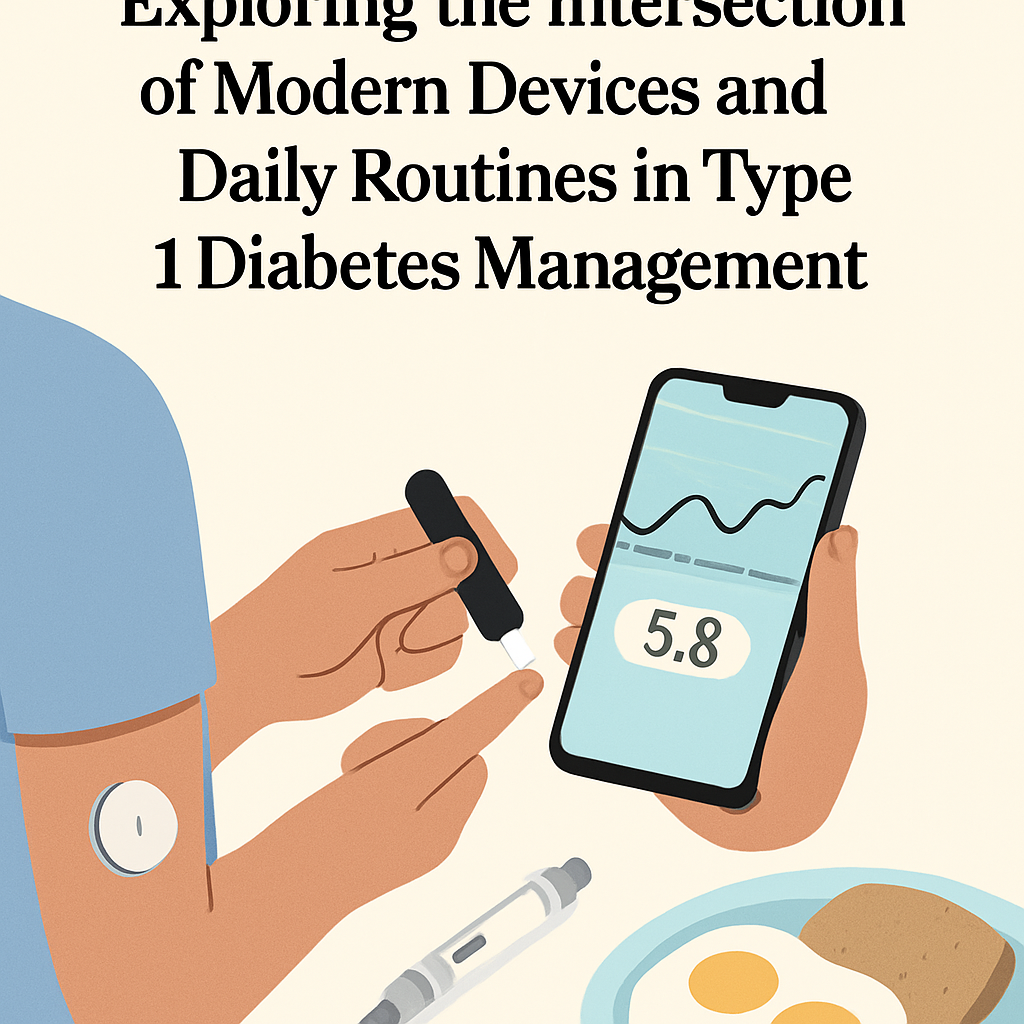
Another significant development in diabetes management is the advent of continuous glucose monitors (CGMs). These small devices, worn on the body, provide real-time data about glucose levels throughout the day and night. They can alert users to rising or falling glucose levels, allowing for timely interventions. CGMs can be particularly helpful in identifying trends and patterns that may not be apparent through traditional fingerstick testing alone. By providing detailed insights into glucose fluctuations, CGMs may empower individuals to make more informed decisions about their diet, activity, and insulin dosing. Despite their advantages, CGMs are not a one-size-fits-all solution, and their effectiveness can vary based on individual needs and circumstances. Consulting with healthcare professionals can help determine whether a CGM is appropriate for someone’s particular situation.
With the integration of smartphone apps and digital platforms, patients now have unprecedented access to tools that assist in tracking their health metrics, managing insulin doses, and even connecting with healthcare providers remotely. These digital tools can simplify the complex data management involved in diabetes care, offering both patients and doctors a more comprehensive view of the individual’s health. However, it’s crucial to approach these tools as part of a broader management strategy rather than standalone solutions. Patients should always discuss new technologies with their healthcare team to ensure they align with their overall treatment plan.
While technology offers promising enhancements to traditional diabetes management, it is imperative to keep in mind that not all solutions will work for everyone. Individual needs, preferences, and medical advice should guide the choice of technology and its application in daily routines. Anyone considering changes to their diabetes management regimen, including the adoption of new devices or applications, should consult with their healthcare provider to make informed and personalized decisions. This partnership between patient and provider ensures that both traditional and modern approaches are harmonized to achieve the best possible outcomes in type 1 diabetes care.
3. Practical Guidance
Integrating modern technology into the daily management of type 1 diabetes can be transformative, yet it often requires balancing these advancements with traditional routines. One of the key areas where this intersection is most evident is in continuous glucose monitoring (CGM) systems. These devices provide real-time glucose readings, offering a clearer picture of how daily activities and meals affect blood sugar levels. By using CGM data, individuals can make informed decisions about their diet and physical activity, potentially improving their overall glucose control. While these devices are powerful tools, it’s important to continue regular consultations with healthcare providers to ensure that the data is interpreted correctly and aligns with an individual’s personalized management plan.
Another area where technology complements traditional diabetes management is through insulin pumps and smart pens. These devices can automate and track insulin delivery and administration, potentially simplifying the process and reducing the risk of errors. However, it’s crucial to remember that technological tools are not foolproof. Regularly checking device functionality and understanding how to manually administer insulin in case of device failure are essential components of a comprehensive management strategy. Consulting with your healthcare team can help determine which technology, if any, best suits your lifestyle and medical needs.
While embracing technology, maintaining a routine that includes traditional management practices is equally important. This includes consistent meal planning, regular physical activity, and routine blood sugar checks. Combining these practices with technological aids like smartphone apps can enhance one’s ability to manage diabetes effectively. Many apps offer features such as carbohydrate counting, activity tracking, and reminders for medication, which can help streamline daily routines. However, the effectiveness of these tools can vary between individuals, emphasizing the importance of personalized advice from healthcare professionals.
Finally, a critical aspect of integrating technology into diabetes management is understanding its limitations. Technology can provide valuable insights but should not replace regular medical consultations. It’s essential to have a clear action plan for situations like hypoglycemia or unexpected device malfunctions. In such cases, following established protocols and seeking medical advice when needed should be prioritized. By combining modern technology with traditional management techniques, individuals with type 1 diabetes can create a tailored approach that supports their health and well-being, but ongoing collaboration with healthcare providers remains indispensable.
4. Practical Tips
Managing type 1 diabetes effectively involves a careful balance between tradition and technology. Practical tips can help seamlessly integrate modern devices into daily routines, enhancing both convenience and control. One fundamental aspect is the use of continuous glucose monitors (CGMs). These devices provide real-time feedback on glucose levels, allowing for more informed decision-making. By setting customizable alerts, individuals can receive notifications if their blood sugar is trending too high or low. This immediate awareness can help in taking prompt corrective actions, such as consuming a quick-acting carbohydrate if experiencing low blood sugar. However, it’s essential to confirm any significant changes with a traditional fingerstick test, especially if symptoms don’t align with the CGM readings, and to consult a healthcare provider for personalized advice.
Another practical tip involves the strategic use of insulin pumps. Insulin pumps can deliver precise doses of insulin throughout the day, mimicking the body’s natural release. Many modern pumps allow for programmable basal rates that can be adjusted according to daily activities or changes in routine, such as increased physical activity or a varied eating schedule. This adaptability can be particularly beneficial during exercise, as physical activity can significantly affect blood glucose levels. It’s important to monitor glucose levels closely and have a plan in place to manage potential hypoglycemia, including having fast-acting carbohydrates readily available. Always discuss any adjustments to your regimen with your healthcare team.
Finally, the integration of smartphone apps can serve as an invaluable tool for managing type 1 diabetes. Many apps offer features like food tracking, exercise logging, and medication reminders, providing a comprehensive picture of one’s health. Some apps are designed to sync with CGMs and insulin pumps, allowing for a centralized management system. This connectivity can simplify record-keeping and facilitate more productive conversations with healthcare providers during appointments. When choosing an app, consider consulting with your healthcare provider to ensure it aligns with your individual management plan and needs.
By blending traditional diabetes management methods with modern technology, individuals living with type 1 diabetes can create a tailored approach that fits their lifestyle. As always, any modifications to your management plan should be discussed with your doctor to ensure safety and efficacy. Remember, what works for one person might not be suitable for another, so personalized guidance is crucial.
5. Expert Opinions
As the landscape of type 1 diabetes management evolves with the integration of modern technology, expert opinions emphasize the importance of balancing new devices with traditional care routines. Clinicians generally recommend that individuals with type 1 diabetes familiarize themselves with the capabilities and limitations of devices like continuous glucose monitors (CGMs) and insulin pumps. These technologies offer real-time data and automated insulin delivery, which can significantly aid in managing blood glucose levels. However, experts advise that these tools should complement, not replace, foundational diabetes management practices such as regular blood glucose monitoring and carbohydrate counting.
Healthcare professionals often highlight the need for personalized approaches when incorporating technology into diabetes management. What works well for one person might not be as effective for another due to differences in lifestyle, sensitivity to insulin, and individual health goals. Therefore, experts suggest that people with type 1 diabetes work closely with their healthcare teams to develop a tailored plan. Such collaboration can help ensure that the use of technology is aligned with an individual’s specific needs, potentially enhancing both their safety and their quality of life.
Moreover, while these devices provide significant benefits, experts caution that they require a learning curve and ongoing engagement. Patients are encouraged to invest time in understanding how their devices operate and to stay informed about updates or new features. Clinicians often point out that regular follow-ups and technology training sessions can be helpful in this regard, allowing individuals to maximize the benefits of their devices. Additionally, in situations like hypoglycemia, experts emphasize the importance of traditional management practices, such as promptly consuming fast-acting carbohydrates, before relying on technological solutions.
Ultimately, the consensus among healthcare professionals is that while technology can play a transformative role in diabetes management, it should be integrated thoughtfully and in conjunction with established care practices. Those living with type 1 diabetes are encouraged to remain proactive in their care, continually assessing how technology fits within their daily routines. As always, consulting with a healthcare provider can offer valuable insights and guidance, ensuring that new tools are used safely and effectively to support overall health and wellness.
6. Misconceptions
One of the most persistent misconceptions about type 1 diabetes is that it is the result of poor lifestyle choices or an unhealthy diet. Unlike type 2 diabetes, which is often associated with lifestyle factors, type 1 diabetes is an autoimmune condition where the immune system mistakenly attacks insulin-producing cells in the pancreas. It’s important to understand that no amount of exercise or dietary change can prevent the onset of type 1 diabetes. This condition can develop in children and adults, regardless of their level of physical activity or diet, underscoring the need for awareness and understanding of its true nature.
Another common misunderstanding is that type 1 diabetes can be controlled solely through diet and exercise. While these lifestyle factors are important components of overall health management, they cannot replace the need for insulin therapy. People with type 1 diabetes rely on external insulin to manage their blood sugar levels, as their bodies no longer produce it. Modern technological advances, such as continuous glucose monitors (CGMs) and insulin pumps, have made it easier to keep track of glucose levels and administer insulin, but they do not eliminate the need for careful management and regular medical guidance.
There is also a misconception that people with type 1 diabetes must follow a rigid diet and cannot enjoy any of the foods they love. In reality, while carbohydrate counting and mindful eating are crucial parts of managing the condition, individuals can work with healthcare providers to develop a balanced meal plan that includes their favorite foods. It’s about finding what works best for each person, which often involves some trial and error and ongoing adjustments. Innovative technologies are helping to make this easier by providing real-time data that can inform dietary choices and insulin dosing.
Lastly, the assumption that managing type 1 diabetes is simply a matter of taking insulin fails to recognize the complexity and the emotional toll of the condition. The day-to-day management involves constant vigilance and decision-making, as blood sugar levels can be influenced by a variety of factors including stress, illness, and physical activity. This is where technology can play a valuable role by providing data and insights that empower individuals to make informed decisions. However, it’s essential for people living with type 1 diabetes to have a strong support system and access to healthcare professionals who can offer personalized advice and support.
In light of these misconceptions, it’s vital for those affected by type 1 diabetes to maintain open communication with their healthcare team to ensure their management plan is suitable for their individual needs. As technology continues to evolve, it is hoped that both the understanding and management of type 1 diabetes will improve, reducing the burden on those living with this condition. If you or someone you know is navigating the complexities of type 1 diabetes, consider reaching out to a healthcare professional for guidance tailored to your unique situation.
7. Summary
In the ever-evolving landscape of type 1 diabetes management, the fusion of traditional practices with cutting-edge technology offers a promising pathway to more personalized and effective care. This intersection of tech and tradition is reshaping how individuals monitor and manage their condition, providing tools that can enhance daily routines and improve quality of life. From continuous glucose monitors (CGMs) that offer real-time insights to insulin pumps that provide precise dosing, modern devices are becoming integral in helping people navigate the complexities of type 1 diabetes. However, it’s important to remember that while these advancements can offer substantial benefits, they are not a one-size-fits-all solution. Each individual’s experience with diabetes is unique, and what works well for one person might not be suitable for another.
Embracing technology in diabetes management also involves understanding its limitations and the need for regular consultation with healthcare professionals. While devices can provide valuable data and convenience, they are part of a broader management strategy that includes diet, exercise, and routine medical care. It is crucial to work closely with healthcare providers to tailor these tools to personal health goals and lifestyle needs. Furthermore, as technology advances, staying informed about new developments can help individuals make educated decisions about incorporating new tools into their diabetes care plan. For anyone considering changes to their management routine, discussing potential benefits and risks with a doctor is important to ensure safe and effective care.
The integration of technology into diabetes management routines can also lead to a more empowered patient experience. With increased access to personal health data, individuals may find themselves better equipped to understand patterns and make informed decisions about their health. However, this empowerment should always be balanced with professional guidance to avoid misinterpretation and ensure accurate assessments. Moreover, while technology can offer support, it is essential to remain vigilant about potential issues such as device malfunctions or data inaccuracies, and to have a plan in place to address these challenges should they arise.
Ultimately, the goal of merging modern technology with traditional diabetes management is to create a more adaptable and responsive system that can help individuals lead fuller lives. As we look to the future, it is exciting to imagine how ongoing advancements will continue to transform the landscape of type 1 diabetes care. For now, those managing the condition can take solace in knowing that these innovations, when used wisely and in conjunction with professional medical advice, may help reduce the burden of daily diabetes management and allow for more flexibility and control. As always, maintaining open communication with healthcare providers is key to navigating this intersection safely and effectively.